

A memory foam mattress is a popular choice for its comfort and support, but how long does a memory foam mattress last? On average, these mattresses can last 8-10 years with proper care. Factors like usage, maintenance, and material quality play a key role in their durability. Regular cleaning, using a mattress protector, and rotating it can extend its lifespan. Over time, even the best memory foam can lose its shape and support, signaling the need for replacement. Investing in a high-quality mattress ensures better sleep and longer durability. If you’re wondering whether your mattresses needs an upgrade, understanding its lifespan is essential for making the best choice for your comfort and health.
Understanding Memory Foam Material
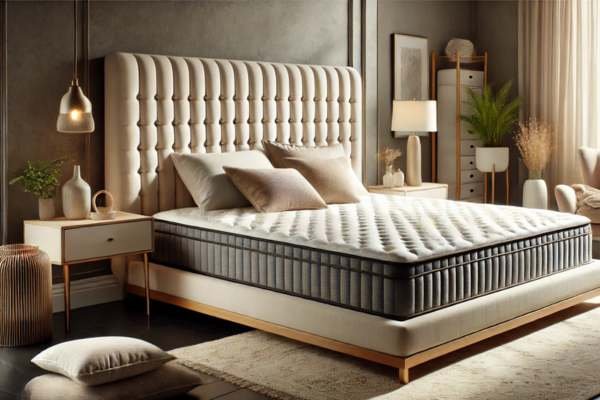
Imagine a substance born from aerospace innovation, designed not for luxury but for survival. Memory foam, crafted from viscoelastic polyurethane, was initially developed by NASA to enhance seat cushioning and crash protection. Over decades, this space-age material evolved into a sleep industry marvel. Dense and elastic, memory foam responds to your body’s heat and pressure, molding itself into a cradle of comfort. The denser the foam, the better its ability to resist sagging and endure the test of time.
Comparing Memory Foam To Other Mattress Types
Stack it against its rivals, and memory foam emerges as a master of adaptability. Innerspring mattresses, with their coiled hearts, offer initial firmness but falter with wear as springs lose tension. Latex mattresses boast unparalleled longevity but often carry a prohibitive price tag. Memory foam, however, strikes a harmonious chord: softer than latex, more resilient than springs, and uniquely engineered to alleviate pressure points. It’s the Goldilocks choice—just right.
The Lifespan Of A Memory Foam Mattress

Seven to ten years. That’s the typical lifespan of a well-tended memory foam mattress. Premium models, crafted from high-density foam and layered with precision, may surpass this benchmark, offering restful nights well into their second decade. But this longevity isn’t guaranteed it’s earned through mindful use and consistent care. Every wrinkle, every song tells a story of how the mattresses has been treated.
Signs Of Wear In Memory Foam Mattresses
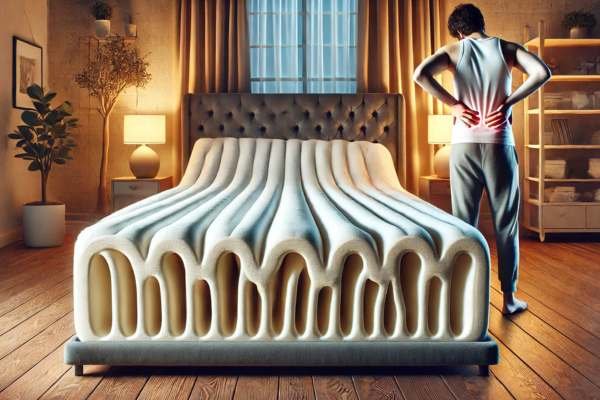
A mattress that once felt like a cloud can slowly turn into a disappointment. Persistent indentations where your body rests, sagging edges, and diminished support are the silent signals of a mattress nearing the end of its life. Waking up sore or noticing that your bed no longer “bounces back” as it once did? These are red flags that replacement is on the horizon.
The Impact Of Sleep Habits On Mattress Longevity
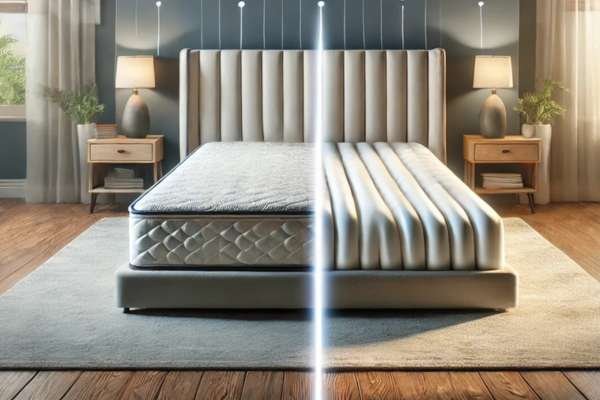
Habits carve their mark into the memory foam over time. A single sleeper sprawling across the bed wears it differently than a couple huddled together in one corner. Rotating the mattress regularly can offset this uneven wear, while varying sleep positions can minimize concentrated pressure. Remember, every toss and turn leaves a trace.
Maximizing The Life Of Your Memory Foam Mattress
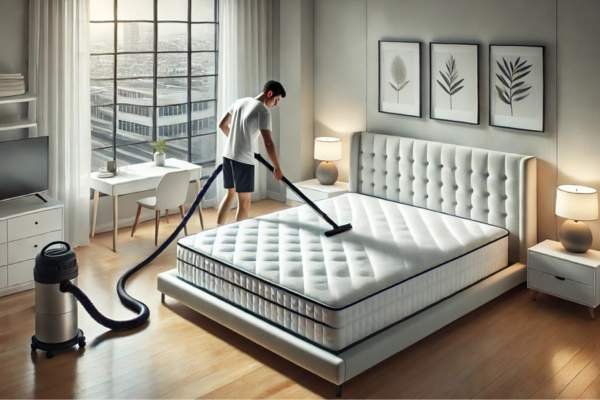
Extend the life of your mattress, and you extend the quality of your sleep. A waterproof protector shields against spills, while regular vacuuming removes dust and allergens. Keep the mattress away from direct sunlight—UV rays are the foam’s nemesis—and ensure your room is well-ventilated to stave off moisture and mold. Treat your mattresses as an investment, not an afterthought.
Choosing The Right Memory Foam Mattress For Longevity
Not all memory foam is created equal. Look for certifications like CertiPUR-US, which guarantee low emissions and durability. Examine the foam’s density—measured in pounds per cubic foot—as a higher number often translates to greater longevity. A thicker comfort layer, paired with a robust warranty, indicates a product built to last. Make an informed choice, not a hasty one.
Balancing Your Investment
The price of a clean memory foam mattress can range widely, from budget-friendly options to luxury models that rival the cost of a small car. While it’s tempting to save, remember that the cheapest mattresses may leave you restless and replace it sooner. Conversely, a premium choice might seem expensive but offers years of support and comfort, saving you money in the long run.
Environmental Factors That Affect Your Mattress

The environment you sleep in shapes the mattress’s lifespan. High humidity invites mold, while fluctuating temperatures can alter the foam’s resilience. A stable, dry, and well-ventilated room is more than a comfort it’s a necessity for prolonging your mattress’s life. Think of your bedroom as a carefully curated ecosystem for rest.
Common Myths About Memory Foam Mattresses
Flip it to last longer? That’s a myth. Memory foam mattresses are designed for one-sided use, with distinct support and comfort layers. Another misconception is that denser foam is always better. While density aids durability, too much can compromise softness, leaving you with a slab-like feel. Understanding these nuances helps avoid costly mistakes.
When To Replace Your Memory Foam Mattress
No mattress lasts forever, and clinging to a worn-out one does more harm than good. Chronic back pain, restless nights, or visible signs of wear are not just inconveniences—they’re reminders that it’s time for an upgrade. Recognize these signs early, and you’ll avoid the discomfort of sleeping on a mattresses past its prime.
The Role Of Mattress Toppers In Extending Mattress Life
A mattress topper can be a game-changer. Acting as a buffer, it absorbs much of the daily wear and tear, sparing the mattresses below. Toppers also allow for customization, letting you adjust firmness or softness without replacing the entire bed. It’s a small investment with substantial returns.
Recycling And Disposal Of Old Memory Foam Mattresses
Disposing of a memory foam mattress doesn’t have to mean adding to a landfill. Many recycling centers accept them, breaking down the foaming into reusable materials. Alternatively, donation is a viable option—if the mattresses is still in decent shape, shelters and charities often welcome such contributions.
Long-Term Care And Upkeep
Caring for a memory foam mattress isn’t complicated, but it requires consistency. Rotate it every few months, clean it as directed, and keep it protected. A little effort goes a long way in preserving its comfort and support, ensuring that your investment continues to pay dividends night after night.
Frequently Asked Questions
How Often Should I Replace My Memory Foam Mattress?
You should replace your memory foam mattress every 7 to 10 years. However, the exact timing depends on factors like the mattress’s quality, your sleep habits, and how well you maintain it. Signs such as sagging, loss of support, or waking up with aches indicate it’s time for a new one. Regular care, such as cleaning and using a mattresses protector, can extend its lifespan.
What Affects the Durability of Memory Foam Mattresses?
The durability of a memory foam mattress is influenced by its density, quality, and how it’s used. Higher-density foaming lasts longer, while poor maintenance, heavy weight distribution, or exposure to moisture can reduce its lifespan. Environmental factors, such as humidity and temperature, also play a role. Proper care and routine cleaning help maintain durability.
Can a Memory Foam Mattress Last Over 10 Years?
Yes, a high-quality memory foam mattress can last over 10 years with proper care. Premium models with higher density and robust construction are more likely to exceed this timeframe. Regular maintenance, rotating the mattresses, and protecting it from spills or moisture can significantly extend its life.
Final Thoughts
Understanding how long a memory foam mattress lasts is essential for ensuring a good investment in sleep quality. Typically, those mattresses provide consolation and assist for 7 to 10 years, depending on usage, protection, and material first-rate. Regular cleaning, using a mattress protector, and rotating the mattresses can extend its lifespan. By choosing a terrific memory foam mattress and worrying for it properly, you may revel in restful nights for years yet to come. Make knowledgeable selections to maximize sturdiness and comfort, ensuring your sleep surroundings supports your health and well-being.