
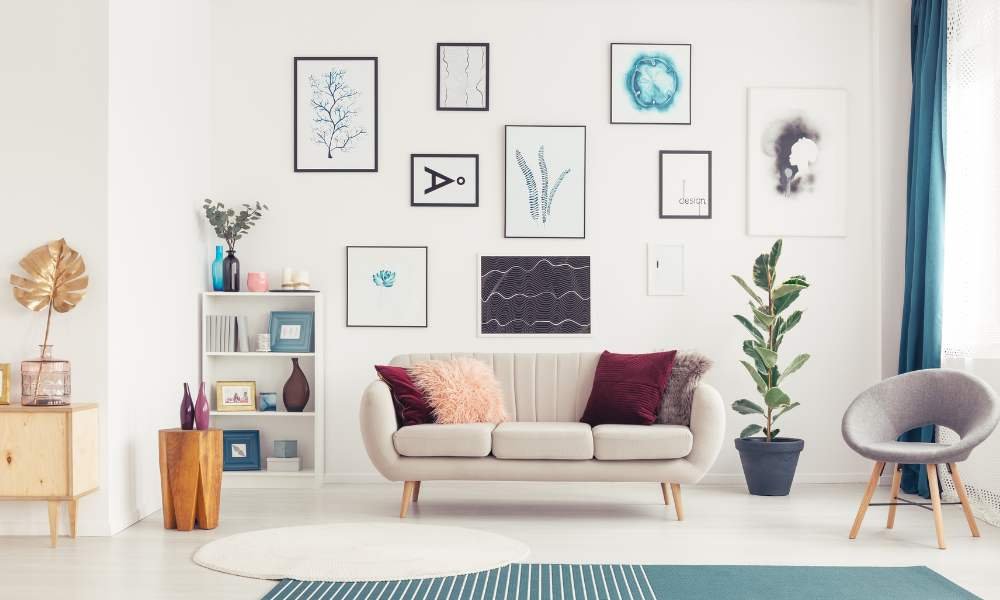
Arranging wall art to your residing room is an essential part of interior layout that could rework the space into a visually enticing surroundings. Knowing how to arrange wall art in the living room involves understanding the room’s style, selecting the right pieces, and positioning them for maximum impact. Whether you are aiming for a cohesive gallery wall or a single announcement piece above the sofa, the association of artwork can define the room’s mood and aesthetic. With considerate planning and attention of length, style, and color, you could flip any wall into a focus. In this guide, we’ll explore the pleasant techniques for arranging wall artwork in your dwelling room to create a balanced, harmonious ecosystem that displays your personal style.
Understanding The Basics Of Arranging Wall Art In Living Room
Before you dive into the world of frames, canvases, and prints, it’s essential to first grasp the underlying principles of how to arrange wall art in living rooms. Every room tells a story, and the art you display should fit seamlessly within that narrative. Think of your walls as a stage, and the art as the lead actor everything needs to work together for a cohesive performance. The art must complement the room’s layout, color palette, and the vibe you wish to project. It shouldn’t overpower the space, but instead enhance its character, adding subtle depth or bold personality.
There are three fundamental elements to consider: scale, placement, and style. Assess the size of your room and available wall space, and let that guide your choices. Will one large piece suffice, or does a collection of smaller works work better for the mood you’re going for? What style of art will create harmony within your living room’s framework? These are the questions to answer before you start hanging.
Finding The Perfect Wall Space For Your Art
Choosing the right spot to showcase your artwork is as important as selecting the piece itself. A vast, empty wall calls for a grand statement, while a more intimate area may thrive with a collection of smaller pieces. Take into account the surrounding furniture and the natural sightlines within the room. The wall behind your sofa or fireplace is often the prime real estate for a bold, captivating piece that can serve as the room’s focal point. But it doesn’t end there—consider the flow of the room. Can your chosen wall art bring balance to the space? Does it frame the furniture, or does it compete with it? When done right, a well-placed piece of artsy can anchor the room, subtly drawing attention to key areas without overwhelming the eye.
Choosing The Right Wall Art Size
Size matters, and when it comes to arranging wall art in your living room, proportion is crucial. A massive painting on a tiny wall can feel suffocating, while a small, delicate print on a sprawling blank canvas can appear lost. The trick is to find the sweet spot that matches the scale of the room without feeling too imposing or too insignificant.
A good rule of thumb? Art should occupy about two-thirds to three-quarters of the width of the wall, especially if you’re working with a central piece. For gallery walls, smaller pieces can be grouped together, creating a harmonious composition that balances the overall space. Keep in mind that it’s not just about the artwork’s size that allows for breathing room around it. This negative space gives the artsy room to shine and prevents the composition from feeling cramped or cluttered.
Choosing The Right Wall Art Style
Wall art is the soul of your living room, and its style should speak volumes about the overall aesthetic. The key is to pick pieces that resonate with your taste while enhancing the space’s mood. If your choose wall art for living room boasts a sleek, modern vibe, minimalist prints or contemporary abstract art will complement that clean, open feel. On the other hand, a more traditional room might find its perfect match in vintage landscapes or classic oil paintings.
The style of the artwork should not only align with your preferences but also with the room’s atmosphere. A gallery of family photos in ornate frames, for example, would feel out of place in an industrial loft. Similarly, a large, modern abstract piece may overwhelm a room that favors classic, understated decor. Choose wisely, and let the art serve as an extension of your living room’s character.
Step-By-Step Guide To Arranging Wall Art In Your Living Room
- Assess the Space Start by evaluating your living room’s layout. Identify key areas, like above the sofa or fireplace, and determine how much available wall space you have.
- Choose the Right Artsy Select artwork that complements the room’s style and color palette. Consider pieces that reflect your personality and enhance the room’s atmosphere.
- Decide on Size Consider the size of both the wall and the artwork. For larger walls, a single large piece or a gallery wall works well. Smaller walls may benefit from one or two medium-sized pieces.
- Find the Perfect Spot Choose a focal point for the art. Common spots include above furniture or along long, blank walls. Make sure the art is at eye level, around 57-60 inches from the floor.
- Arrange the Artsy For single pieces, ensure they’re centered or placed thoughtfully in relation to surrounding furniture. For multiple pieces, create a cohesive arrangement, either symmetrically or organically.
Picking The Right Color Palette For Wall Art
The colors in your artwork should either blend seamlessly with the room’s color palette or create a bold contrast. If your living room has soft, neutral tones, consider choosing artwork with vibrant hues to create a striking focal point. Alternatively, if your room already has a rich color palette, opt for art with more subdued or complementary shades that won’t compete for attention.
Think about the emotional atmosphere you want to cultivate. Calm blues and greens can make a space feel serene and tranquil, perfect for a zen-inspired living room. Meanwhile, fiery reds and oranges might inject energy and warmth into a space designed for social gatherings. Your artwork’s color palette should either harmonize with or strategically contrast the room’s existing tones, helping set the tone for the entire space.
Selecting Art That Reflects Your Personal Style
Your living room should be an authentic reflection of who you are, and your choice of arrange wall art in living room plays a huge part in this. From minimalist black-and-white photography to bold, colorful abstract pieces, the art you choose should feel like a direct extension of your personal tastes.
Personalized artwork whether it’s family portraits, custom illustrations, or travel photos—can help add warmth and a sense of intimacy to the room. These pieces not only make the space feel uniquely yours but also foster an emotional connection with your environment. After all, the artsy you live with should resonate deeply with you, making the living room not just a place to relax, but a true expression of your personal identity.
Finding The Right Frame Styles And Materials
Frames are the finishing touch, the elegant border that pulls everything together. The frame you choose should complement the art it surrounds without distracting from it. For a contemporary piece, sleek black or metal frames may enhance its modern appeal, while weathered wood frames will suit rustic or vintage artworks.
Consider the material of the frame wood, metal, acrylic and how it interacts with both the artwork and the room’s overall decor. Sometimes, a simple mat can elevate a piece, giving it more depth and drawing the eye inward. Frames ought to decorate the artsy, no longer overpower it, performing as a subtle support to the general aesthetic.
Creating A Wall Art Gallery
Gallery walls are an interesting manner to display more than one portion, however they require cautious making plans to make certain they don’t emerge as chaotic. Start by choosing a theme whether it’s a consistent color palette, a subject matter, or a unifying frame style. Once you’ve gathered your pieces, layout the arrangement before committing to any nails or hooks.
For a visually striking gallery wall, balance is key. The arrangement can be either symmetrical or more organic, but it should feel intentional. Maintain consistent spacing between each piece, and remember that visual flow is just as important as the pieces themselves. A thoughtfully curated gallery wall is an eye-catching masterpiece in itself.
Arranging Wall Art Above A Sofa Or Fireplace
One of the most common locations for arrange wall art in living room in the living room is above the sofa or fireplace. This area serves as the room’s focal point, and the art above it should enhance rather than compete with the furniture. When arranging artsy in this area, consider the size and proportions of both the walls and the furniture. A large, singular piece can act as a dramatic centerpiece, while a series of smaller works can create a more dynamic, layered feel.
Ensure that the artwork sits approximately 6 to 8 inches above the sofa or mantle to create a sense of integration, without making the space feel crowded. The key is to achieve a balance between the artsy and the furniture, allowing both to complement each other.
Using Wall Art To Define Functional Areas
In open-concept living rooms, wall art can help define distinct functional areas. For example, a bold piece above the sofa can create a visual boundary between the living area and dining space. Smaller, more subtle art pieces can designate a cozy reading nook or a private corner for conversation.
Using artwork to delineate spaces not only creates float, but also offers every place a feel of cause. In rooms with multiple zones, wall artsy helps guide the eye and creates a structured, organized feel.
Adding Depth with Layered Wall Art
Layering artwork is a fantastic way to add depth and intrigue to your walls. Rather than hanging one piece and calling it a day, try layering smaller works over larger ones. This method adds complexity and visible hobby, and is mainly effective in minimalist spaces.
Experiment with different combinations, stacking framed photos, prints, or mirrors. When done thoughtfully, layering can create a curated, modern look that brings dimension to a walls while avoiding a cluttered feel.
Working With Wall Art Lighting
Lighting is the unsung hero of wall artwork. A properly-lit piece can transform the way it’s perceived, improving its colors and textures. Use adjustable spotlights, photo lighting fixtures, or maybe walls-mounted sconces to light up your artwork. Proper lights bring intensity and size to the piece, creating an extra inviting atmosphere within the room.
Be mindful of the intensity of the lighting: bright lights can overwhelm delicate works, while soft lighting can bring out the richness of vibrant, eye-catching artsy. A little light goes a long way in enhancing your art’s impact.
Updating And Rotating Wall Art Seasonally
To keep your living room feeling fresh and dynamic, consider rotating your wall art with the changing seasons. Swap out summer prints for autumn landscapes, or switch to more festive pieces during the holiday season. Seasonal updates refresh the space without requiring a complete redesign, ensuring that your art remains interesting and ever-evolving.
This practice also allows you to showcase different pieces from your collection, ensuring that no artwork gets left behind. Plus, the change of scenery is sure to keep things exciting.
Frequently Asked Questions
– What’s the best way to arrange wall art in the living room?
The best approach is to carefully consider the room’s layout, art style, and size. Whether you opt for a single large piece, a gallery walls, or a few curated works, make sure the artsy enhances the space and reflects your style.
– How high should I hang wall art in the living room?
Ideally, hang wall artsy at eye level, around 57 to 60 inches from the floor. For larger pieces, adjust the height to fit the surrounding furniture, creating a balanced and harmonious arrangement.
– How to create a balanced gallery wall?
Balance a gallery wall by maintaining consistent spacing between frames and using frames with a similar style or color. Whether you go for an organized grid or a more eclectic arrangement, ensure the composition feels intentional and cohesive.
Final Thoughts
Arranging wall art in the living room adds depth and personal flair to your space. Focus on balancing length, shade, and style to create a visually eye-catching arrangement that complements your furnishings and decor. Whether you’re going for a symmetrical grid or an eclectic gallery walls, ensure the layout feels cohesive and intentional. To bring your wall artsy arrangement to life, start with a focal point, and build around it with pieces that enhance the room’s mood and character. Remember, knowing how to arrange wall art in the living room is about creating a space that reflects your unique style while bringing warmth and creativity to your home. Enjoy the system, test with one of a kind placements, and watch your living room come to existence!