
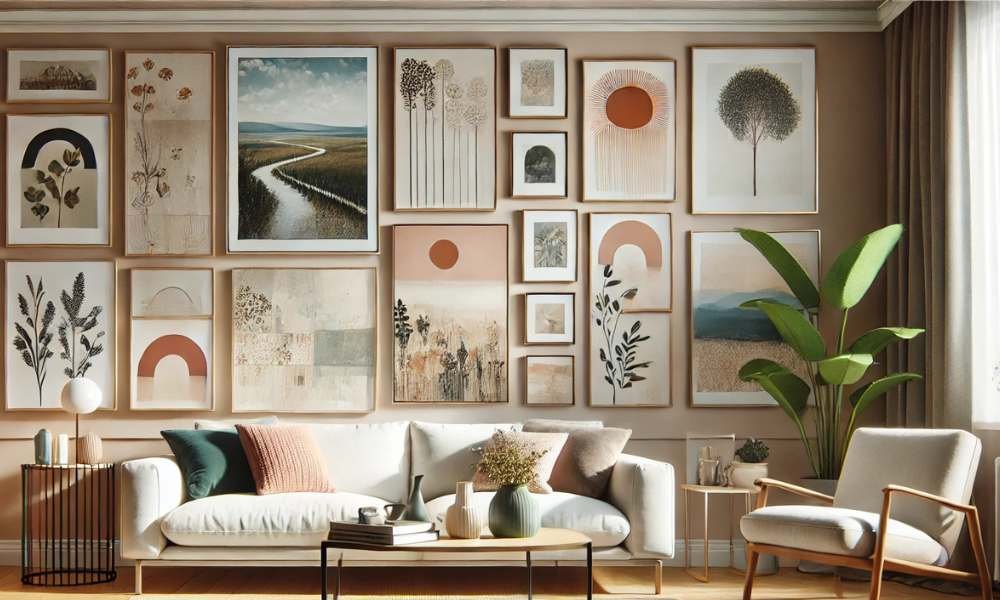
Choosing the right size art for your wall is crucial to achieving the perfect balance in any room. The size of your art should complement the proportions of the wall and the furniture around it. Whether you’re decorating a large, open space or a smaller room, understanding what size art for wall is best for your home will make all the difference. Too large or too small can throw off visual harmony. Consider measuring the available space, and follow design guidelines to select art that enhances your decor. In this guide, we’ll help you navigate through different sizes to find the ideal artsy pieces for your walls.
Understanding Wall Art Dimensions
Before diving into the world of artwork, understanding how dimensions come into play is crucial. choose wall art is typically measured by height and width, but these dimensions don’t simply dictate size they influence how the piece will interact with its environment. A towering painting can be a striking statement, drawing all eyes to it, while a modest piece might enhance the space subtly without demanding attention. The true skill lies in choosing a piece that aligns with the room’s architecture, other furniture, and the overall mood you wish to evoke.
The Basics Of Wall Art Sizing
When it comes to art sizing, the proportions matter significantly. One tried-and-tested guideline is the 2/3 rule, which states that the artwork should occupy about two-thirds of the available wall space. For instance, if the wall measures 72 inches wide, the artwork should ideally be around 48 inches. This creates harmony between the artwork and its environment, avoiding any visual imbalance. However, rules are meant to be flexible. Depending on the space’s function, your personal aesthetic, and the energy you wish to create, these guidelines can be adjusted.
Common Sizes For Wall Art And How To Choose
Wall art is available in a multitude of sizes, each designed to suit a particular setting. Here’s a quick rundown of common dimensions and how they can elevate your space:
- Small Artsy (8” x 10” to 18” x 24”): Perfect for tight spots, like small walls or areas that need a personal, intimate touch. Think bathrooms, kitchens, or corridors. Small pieces work wonders in these spaces, offering just the right amount of personality without overwhelming the room.
- Medium Artsy (24” x 36” to 30” x 40”): These versatile sizes are a popular choice for living rooms, bedrooms, and entryways. They are also ideal for gallery walls where multiple pieces are grouped together for a cohesive look.
- Large Artsy (36” x 48” and up): For those who want to make a statement, large art pieces are the way to go. They’re perfect for expansive walls in living rooms, above sofas, or in open-concept spaces, where they can serve as a dramatic focal point.
The size of the room and the wall itself should guide your decision. A small room might benefit from a smaller artwork that makes it feel cozy, while a larger room can handle bigger pieces that fill the space and bring it together.
How To Measure Your Wall For Art
Measuring your wall is an essential first step in ensuring the artsy fits just right. The process doesn’t just involve numbers, it’s about understanding the space and how the artwork will interact with it.
- Measure the Wall: Use a tape measure to determine the wall’s exact width and height.
- Determine Center Placement: Ideally, the center of the artwork should be at eye level around 57 to 60 inches from the floor.
- Consider Space Around the Artwork: It’s important to leave enough space around the artsy so that it doesn’t appear cramped. Avoid placing the artwork too close to furniture or the edges of the wall.
Art Size Based On Room Type
Each room in your home has different needs when it comes to artsy size. The function and scale of the room should play a large part in your decision-making process.
- Living Room: This is often where larger art pieces shine. A sprawling wall can support large-scale artwork or even a grouping of smaller pieces arranged in an interesting pattern. A piece over the sofa or fireplace serves as the perfect focal point.
- Bedroom: In the bedroom, the artsy should contribute to the room’s tranquility. Too large a piece could disrupt the serene vibe, while something too small may seem disconnected from the space. Artsy above the bed is a common feature, but it should be about two-thirds the width of the bed for balance.
- Dining Room: Whether it’s a single striking piece or a series of smaller artworks, the dining room often calls for artsy that complements the table and surrounding furniture.
Choosing The Right Art Size For Bedroom Walls
The bedroom is a sanctuary, a space for rest and relaxation, so the size of the art should reflect that. Large pieces can dominate the room, creating a jarring atmosphere, while overly small pieces may get lost against the expanse of the wall. A good rule of thumb is that artsy above the bed should be about two-thirds the width of the bed. For a king-sized bed, look for artwork around 48-60 inches wide to maintain visual harmony.
Scaling Art To Fit Different Wall Sizes
Scaling artwork to the size of the wall is essential. For smaller walls, a single, compact piece works well, drawing the eye without overwhelming the space. For larger walls, consider a triptych or a grid of smaller pieces to maintain balance. Tall walls, in particular, can benefit from vertical artwork, which accentuates the room’s height and creates an elegant sense of proportion.
Customizing Art Size For Unique Spaces
Certain spaces present unique challenges when it comes to selecting the right size art. Hallways, for instance, often require a more tailored approach. The artwork should fit between doors or alongside furniture. In open-concept living spaces, using a series of smaller artworks can visually link different areas of the room, adding a sense of flow without disrupting the space’s openness.
Art Size For Different Rooms In Your Home
Art size varies depending on the room. Here’s a breakdown:
- Living Room: Large-scale artsy or a series of medium-sized works that can be arranged for maximum impact.
- Bedroom: Medium to small-sized works, placed either above the bed or as part of a wall collection.
- Hallway: Smaller pieces or a series of small artworks, which work well in narrow spaces.
- Kitchen: Small pieces or framed prints that add charm without dominating the space.
The Ideal Wall Art Size Above Furniture
When placing art above furniture, there are a few key guidelines to keep in mind. Generally, the width of the artwork should fall between 60% and 80% of the furniture’s width. For instance, if your sofa is 72 inches wide, the artwork above it should range from 43 to 58 inches in width. This ensures that the artwork feels integrated with the furniture, creating a cohesive visual flow.
Measuring Your Wall Step-By-Step Guide
Here’s a step-by-step guide to ensure you measure your wall for art correctly:
- Find the Center: Measure the wall’s width and height, then determine the center.
- Choose Eye Level: Place the artwork at eye level typically between 57 and 60 inches.
- Account for Furniture: Consider the surrounding furniture when deciding on placement.
- Measure the Artsy: Ensure the artwork fits within the designated space.
Choosing Art Size For Different Types Of Art
Different art styles can influence the size of the piece. Abstract artsy, for example, tends to work well in larger formats, whereas more detailed or ornate works might shine in smaller frames. The style of the artwork and its theme should always be a consideration when choosing the right size.
How Art Size Influences Mood
The size of your artwork can dramatically affect the mood of the room. Larger pieces typically bring boldness and drama to the space, while smaller works create a more intimate or serene atmosphere. The scale of the artwork not only impacts the room’s energy but also affects how spacious or cozy the area feels.
Common Mistakes When Selecting Art Size
One of the most common mistakes is choosing artwork that is either too small or too large for the space. Too small, and the piece may get lost; too large, and it can overwhelm the room. Another frequent misstep is neglecting to consider the furniture placement. Artwork should enhance the surrounding elements, not compete with them.
Frequently Asked Questions
1. How do I determine the right size artsy for my wall?
Measure your wall and use the 2/3 rule. Ensure the art complements both the wall and the furniture around it.
2. Can I mix different sizes of artsy on the same wall?
Absolutely! Mixing sizes adds visual interest, but be mindful of the arrangement to maintain balance.
3. How to choose the right size artsy for your wall?
Focus on the proportions of the wall, the surrounding furniture, and the desired ambiance.
Final Thoughts
Choosing the right size art for your wall depends on the space and the effect you want to achieve. For small walls, a medium-sized piece or a series of smaller artworks can create balance. Larger walls often require more substantial pieces or multiple artworks arranged thoughtfully. A general guideline is to choose artsy that covers about two-thirds to three-quarters of the wall for a cohesive look. Consider the scale of your furniture and room layout when deciding what size art for your wall will enhance your space and complement your overall design.