
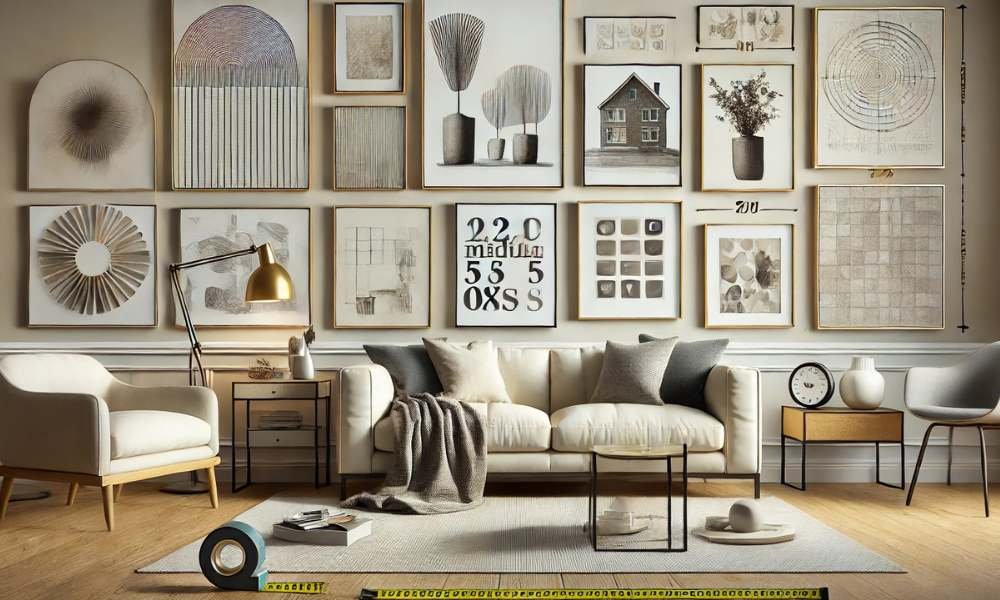
When deciding how big should wall art be, it’s essential to strike the perfect balance between aesthetics and functionality. The size of wall art depends on the room’s dimensions, the space available, and the overall style you’re aiming for. For smaller rooms, consider art that’s about 30-50% of the wall width for a more balanced feel. Larger walls can accommodate larger pieces, but ensure it doesn’t overwhelm the space. The height of the art should be at eye level for optimal viewing. By carefully selecting the right size for your wall art, you can transform a room’s ambiance and create a visually harmonious environment.
Understanding Wall Art Proportions
It’s not just about picking a piece that catches your eye. Proportions are the key to making wall art work in a room. The size of your artwork should play off the space it occupies. A towering, bold piece might be the perfect focal point for a large living room, while smaller works may blend more seamlessly in cozy areas. Think of it as a dance between the art and the room—each needs to complement the other. The size of the artwork should echo the dimensions of the room itself, the furniture, and the overall atmosphere you wish to evoke. The secret? It’s not just the artwork that matters, but how it fits within the context of the room.
Choosing Art Size For Different Wall Heights
Height, as it turns out, plays a starring role in determining the right size for your artwork. With standard walls generally ranging between 8 and 10 feet, the height of the ceiling should guide your choice. High ceilings cry out for grand, towering art—think large, elongated pieces that reach for the sky. Meanwhile, if your room has lower ceilings, medium-sized pieces or a well-arranged gallery wall can create the illusion of space without crowding it. Always aim to leave some space above and below the art this breathing room is vital to avoid a cramped, unbalanced feel.
What Is The Ideal Size For Wall Art?
The elusive “ideal” size for wall art is, naturally, not a one-size-fits-all answer. It depends on factors like the size of the room, the layout of furniture, and the mood you want to establish. But, a general rule of thumb suggests that your art should cover roughly 60% to 75% of the available wall space. For instance, on a 60-inch wide wall, a piece that measures between 36 and 45 inches wide will maintain a balanced and visually appealing aesthetic. The goal is to make an impact without allowing the art to dominate the room or disappear into the background.
Wall Art Size For Small Spaces
Small spaces pose their own unique challenges. Too large a piece, and you risk making the room feel even more cramped. Too small, and the art gets lost against the walls. The key here is subtlety. Opt for smaller art that can add depth and character without overwhelming the space. Consider a series of smaller pieces or a well-arranged gallery wall that creates visual intrigue without creating clutter. If you do lean toward larger works, choose minimalist or lighter pieces that maintain the feeling of openness.
General Rules For Choosing Wall Art Size
A few timeless rules can guide you to the perfect wall art dimensions. Start by thinking about the scale of the room and the proportion between the art and the furniture. For example, art hung above a sofa should span approximately two-thirds of the width of the couch. Also, the art should be positioned at eye level typically around 57 to 60 inches from the floor—for optimal viewing. Finally, balance is everything. A large piece might command attention on a wide walls, but a smaller one in a more subtle location can add a sense of mystery.
Large Spaces And Wall Art Size
In large, open rooms, the vastness of the space calls for equally commanding art. Larger works can help anchor the room, preventing it from feeling too empty or stark. Oversized paintings, sculptures, or a series of large photographs can bring a sense of drama and sophistication to an expansive wall. However, be cautious—too much artsy in a big room can crowd the space. Restraint is often the key in these environments, where simplicity can create a sense of elegant openness.
Considering Frame Size In Wall Art Selection
While the artwork itself takes center stage, the frame also plays a vital role in shaping the piece’s overall dimensions and impact. A frame should serve to accentuate—not overshadow—the artwork. For smaller works, a slim, understated frame allows the art to shine without overwhelming it. Larger pieces, however, may benefit from a more substantial, ornate frame that complements their size and presence. In essence, the frame’s width should be in proportion to the artwork; an oversized frame around a tiny painting will create imbalance, whereas a thin frame around a larger piece may look insignificant.
Considering Room Size And Wall Dimensions
When determining how big your wall art should be, it’s essential to account for both the room size and the dimensions of the wall itself. A golden rule to follow is that your artwork should occupy roughly two-thirds of the available walls space, ensuring it has presence but doesn’t dominate the room. If you’re looking for a more dramatic effect, you can go bigger—perhaps filling nearly the entire wall—but this works best in larger rooms where the artsy won’t compete with the room’s scale and furniture.
Wall Art Size Tips For Different Art Types
The style of art you choose plays a significant role in determining the ideal size. A single, large painting or photograph can be striking and serve as a conversation starter, while multiple smaller pieces or a gallery wall will offer an eclectic vibe. Abstract artsy typically works better when it’s blown up to larger sizes, allowing the brushstrokes, patterns, or colors to truly resonate. Minimalist art, on the other hand, may work better on a smaller scale. Sculptures, by nature, often require larger dimensions to create the necessary impact in a room.
Measuring Your Wall For The Perfect Art Size
Before you rush into selecting a piece, measure the wall carefully. Account for both the height and width of the space, and remember to consider architectural features like windows, doors, or built-in shelves. If you plan to hang multiple pieces, be sure to leave enough space between them to avoid a cluttered feel. A trick that can help you visualize the proportions is using painter’s tape to outline the size of the art on the walls. This gives you a real-time preview of how the space will feel, allowing you to make adjustments before committing.
Matching Art Size To Furniture Length
When hanging art above furniture, the width of the artwork should generally match the length of the furniture below it. For instance, if you’re placing art above a sofa, aim for a piece that spans about 60% to 75% of the length of the sofa. This simple rule ensures the art complements the furniture without overwhelming it. Too large a piece above the sofa can make the space feel cramped, while a small piece might seem disconnected from the room’s overall design.
Determining Ideal Wall Art Size For Each Room
Each room in your home serves a different purpose, and the size of the wall artsy should reflect that. In living rooms, where socializing and relaxation occur, large, central pieces tend to work well. Bedrooms, being more intimate, often call for smaller, more personal works. In dining rooms, bold, statement pieces can take center stage, while hallways may benefit from narrower works or a series of smaller pieces. Think about the room’s function, the atmosphere you want to create, and choose art that aligns with these goals.
Creating A Focal Point With The Right Art Size
Wall art is an effective tool for creating focal points in any room. The right-sized art can draw the eye to a specific area, whether it’s above the fireplace or behind a bed. Larger pieces create bold statements in open spaces, while smaller works can define more intimate corners. When chosen thoughtfully, walls artsy leads the viewer’s eye, guiding them through the space and creating a natural flow.
Step-By-Step Guide To How Big Wall Art Should Be
- Measure the Wall: Start by measuring the height and width of the wall.
- Consider the Room’s Function: Think about what atmosphere you want to create.
- Follow the 60%-75% Rule: Aim for art that covers around 60%-75% of the walls space.
- Balance with Furniture: Ensure the art fits in harmony with the furniture beneath it.
- Hang at Eye Level: Place the artsy at an average eye level, around 57-60 inches from the floor.
Common Mistakes To Avoid In Wall Art Sizing
One of the most common missteps is selecting artwork that’s too small for the space. A tiny piece can feel lost, leaving the wall feeling empty and uninspired. On the flip side, too large a piece can overwhelm the room and make it feel cramped. Another mistake is ignoring the room’s furniture and layout art should complement, not compete with, the space it inhabits.
FAQs
1. What’s the Best Walls Art Size for My Space?
The ideal size depends on the dimensions of your room and furniture. Generally, aim for artsy that covers about 60%-75% of the wall space for balance.
2. How Do I Determine the Ideal Walls Art Dimensions?
Carefully measure your wall and consider both the space and your furniture. Choose a piece that fits proportionately and leaves enough room for breathing space around the edges.
3. How to Choose the Right Walls Art Size?
Pick art that reflects the scale of your space and the mood of the room. Larger pieces for spacious rooms, and smaller works for more intimate areas. Always measure and account for furniture arrangement.
Conclusion
Deciding how big wall art should be, consider the size of your space, furniture, and the overall aesthetic you want to achieve. Large pieces can create a striking focal point, while smaller artworks work well in clusters or as accent pieces. Always ensure the wall art is proportionate to the room’s dimensions and complements your existing décor. The right size walls artsy not only enhances your space but also adds personality and style. Ultimately, choose what feels balanced and visually appealing for your home.