

Hanging metal art on a wall can transform any space, adding style and personality. But how do you hang metal art on a wall without causing damage or frustration? Start by choosing the right spot and measuring accurately. Use wall anchors or hooks designed for heavier pieces to ensure your metal art stays secure. Consider the type of wall—drywall, brick, or plaster—when selecting hanging tools. For an elegant display, create a gallery arrangement or let a single piece shine as a focal point. Follow these tips, and you’ll showcase your metal art effortlessly, enhancing your home’s décor. Ready to hang your masterpiece? Let’s get started!
Selecting The Perfect Wall
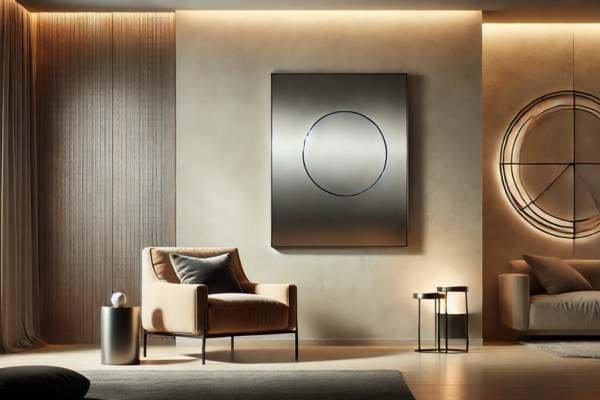
A wall is not just a surface; it’s a canvas. Choosing the right one for your metal art is pivotal, as it sets the stage for the visual impact. A featureless wall devoid of competing elements—like crowded furniture or busy patterns—creates a serene backdrop, allowing the artsy to command attention. If your art is bold and vibrant, neutral walls amplify its presence. Conversely, darker walls can add depth and drama, particularly for lighter or metallic finishes. Remember, the wall isn’t merely a holder; it’s part of the story.
Assessing Wall Strength For Metal Art Installation
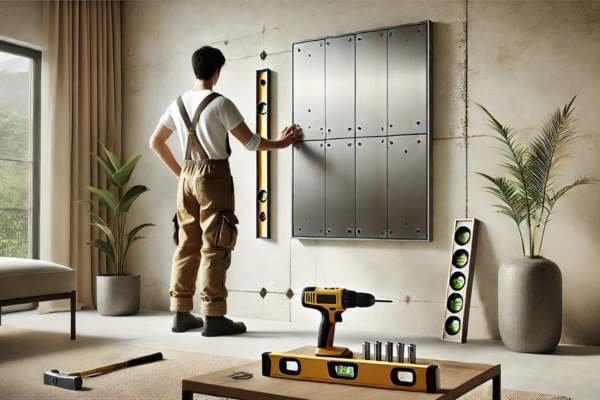
Metal art often carries a substantial weight, literally and metaphorically. Before you drill, poke, or hammer, take a moment to assess the wall’s integrity. Drywall, though ubiquitous, has its limitations, requiring anchors or reinforcements for heavier pieces. Brick and concrete walls, stalwart and enduring, can shoulder significant weight with ease—but they demand the right tools. Test your wall for hollowness or sturdiness. In many ways, your wall is like a dance partner—it needs the strength to hold the rhythm of your art.
Finding The Ideal Location To Highlight Your Metal Art
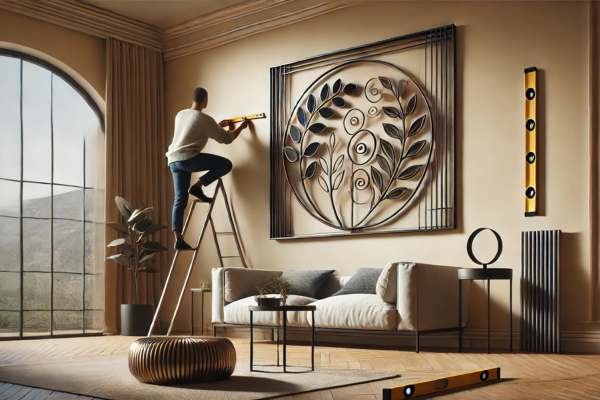
Placement is an art form in itself, akin to framing a masterpiece. Where you hang your metal artsy determines how it interacts with the room. High-traffic spaces, such as living rooms or entryways, offer prime real estate for eye-catching pieces. Hang it at an average eye level—around 57 to 60 inches from the floor—ensuring it’s easily appreciated without craning necks. Over furniture? Keep it around 6 to 8 inches above, creating a visual flow that’s neither cramped nor disconnected.
Lighting Considerations To Showcase Metal Art

Lighting is the alchemist’s touch that can elevate metal art from static to spectacular. A strategically placed spotlight can accentuate textures, while track lighting allows you to tailor the focus. Reflective metal surfaces bask beautifully under soft, diffused light but beware of glare—it can dilute the magic. If natural light graces your art, cherish it, but remember: prolonged exposure can fade finishes or corrode untreated metals. Illuminate with care; after all, artsy should shine, not suffer.
Preparing Your Tools And Materials
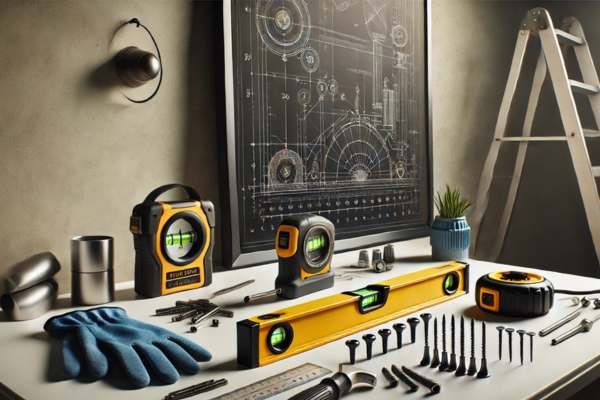
Imagine a painter without brushes or a carpenter without nails. Installing metal hang metal art on a wall also demands the right arsenal. Your toolkit should include essentials like a spirit level, stud finder, measuring tape, and a reliable drill. Depending on the choose wall art type and weight of the piece, you may need heavy-duty anchors, masonry screws, or adhesive strips. Don’t forget gloves—fingerprints can mar polished surfaces. Lay out your tools like a chef arranging their mise en place, ensuring efficiency and readiness.
Evaluating The Weight Of Metal Art
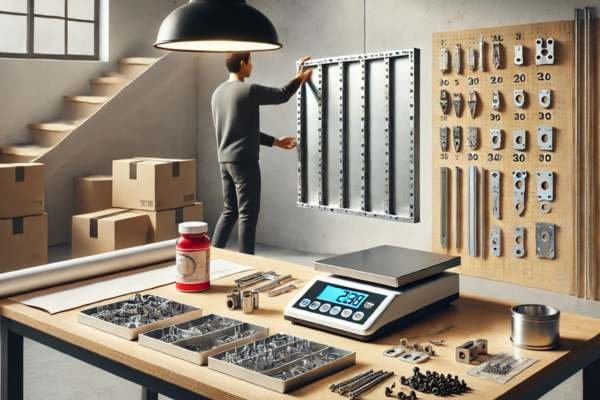
The heft of your art dictates your hanging strategy. Lightweight pieces can rest on adhesive hooks, but substantial works demand robust reinforcements. Weigh your art if its mass isn’t specified—guesswork here is a recipe for disaster. Choose hardware rated for more weight than the piece to account for safety margins. This isn’t merely about keeping artsy on the wall; it’s about peace of mind. Who wants to live in fear of a crashing masterpiece?
Choosing The Right Hanging Hardware
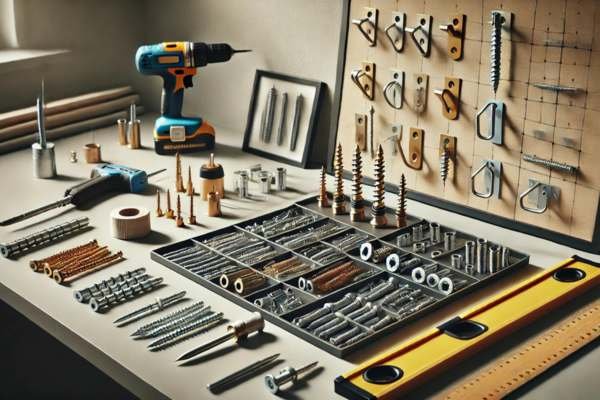
The right hardware is the unsung hero of every successful installation. Toggle bolts are perfect for drywall, offering firm grip and stability. Masonry screws make quick work of brick or concrete, while French cleats distribute weight with impeccable balance. Choose hardware with an eye on both practicality and longevity; art may evolve, but its support should endure.
Marking And Measuring The Wall
Precision is the craftsman’s creed. Measure the dimensions of your hang metal art on a wall and determine its center. Lightly mark your wall with a pencil—this isn’t graffiti; it’s a blueprint. Use a spirit level to ensure your marks align flawlessly. One misstep here, and your artsy may tilt, turning admiration into annoyance. Measure twice, drill once—that’s the mantra of a perfectionist.
Installing Metal Art On Drywall
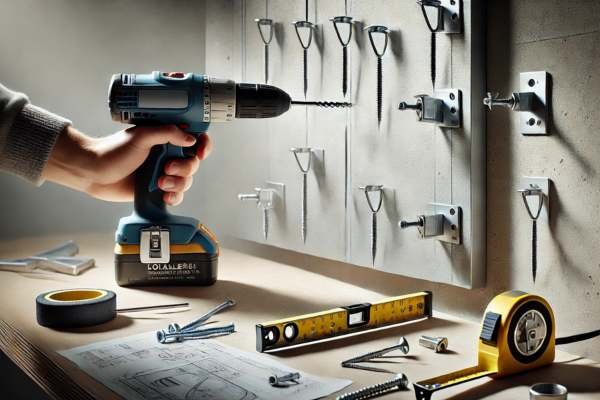
Drywall, while delicate, needn’t be a deterrent. For medium to heavy pieces, toggle bolts or anchors are your allies. Drill pilot holes at marked points, insert the anchors, and secure them with screws. Test the stability with a gentle tug before committing your artsy to its perch. Lightweight pieces? Adhesive hooks may suffice, but always respect the weight limits. A collapsing hook is a betrayal no wall deserves.
Hanging Metal Art On Brick Or Concrete Walls
Brick and concrete, the fortresses of walls, require a different approach. Equip yourself with a hammer drill and carbide-tipped bit—tools as sturdy as the surface you’re working on. Drill carefully, insert masonry anchors, and secure with screws. Precision is paramount; there’s no room for second chances with these unforgiving materials. Work smart, not haphazardly.
Preparing The Wall Surface
A clean wall is a receptive wall. Dust, grime, or grease can sabotage adhesion and compromise stability. For rough surfaces, use a stiff brush; for smooth ones, a damp cloth. The cleaner the canvas, the stronger the bond. This isn’t just about aesthetics—it’s about laying the groundwork for enduring art.
Arranging Multiple Metal Art Pieces
A gallery wall brimming with metal art is a feast for the eyes. Begin by arranging pieces on the floor, experimenting with layouts until you strike visual gold. Use painter’s tape to map the arrangement on your wall, tweaking gaps and alignments. Whether you choose symmetrical harmony or eclectic spontaneity, ensure every piece has breathing room—artsy, like people, thrives on balance.
Hanging Metal Art On Wooden Walls
Wooden walls offer a natural strength that complements heavy metal art. Use wood screws to secure pieces, ensuring you drill into solid wood, not veneers or hollow areas. Tighten screws with care; over-tightening can damage both wood and artsy. For lighter works, finishing nails suffice, blending simplicity with stability.
Maintaining And Cleaning Metal Art
Metal art demands attention beyond installation. Dust regularly with a microfiber cloth, and for stubborn dirt, employ a damp cloth with mild soap. Dry thoroughly to prevent oxidation. Outdoor pieces require periodic protective coatings to stave off rust. Care isn’t a chore—it’s an investment in preserving beauty.
Frequently Asked Questions
– How Do I Determine the Ideal Wall Art Dimensions?
The ideal wall art dimensions depend on the size of your wall and the room’s layout. For a balanced look, aim for artsy that takes up about 60-75% of the available wall space. Above furniture, like a sofa or bed, the piece should be two-thirds the width of the furniture. Use painter’s tape to visualize the dimensions before committing.
– Can Metal Art Damage My Walls?
Metal art can damage walls if improperly mounted. Avoid this by using appropriate hardware, such as wall anchors for heavy pieces. Felt pads or spacers can protect your wall’s surface, preventing scratches or scuffs. Always check weight limits for mounting tools to ensure safe installation.
– How Do I Choose the Right Wall for Metal Art?
Choose a wall that complements the room’s focal point and has enough space to showcase the art. Avoid overly crowded walls, and ensure the piece aligns with your room’s theme and lighting for maximum impact.
Final Thoughts
Hanging metal art on a wall adds sophistication and character to your space. By selecting the right tools, like wall anchors and adhesive hooks, you can securely display your artwork without damage. Proper placement and balance are key for creating an eye-catching arrangement. Always ensure the artsy complements your room’s aesthetic for a cohesive look. Whether it’s a statement piece or part of a gallery wall, knowing how to hang metal art on a wall enhances your home decor effortlessly. With these tips, you can confidently showcase your style while keeping your wall artsy safe and secure.