

Hanging up metal wall art can instantly elevate your home decor, adding a touch of elegance and personality to your space. This guide simplifies how to hang up metal wall art securely and stylishly, ensuring your artwork becomes a focal point. From selecting the right tools to finding the perfect spot, learn practical tips for proper installation on different surfaces. Whether it’s lightweight or heavy metal art, mastering the right techniques prevents damage to walls and keeps your decor flawless. Explore creative ways to align and balance your pieces for a stunning visual impact. Transform blank walls into captivating displays with confidence and ease! Perfect for homeowners and decorators looking to make a lasting impression.
Understanding Metal Wall Art
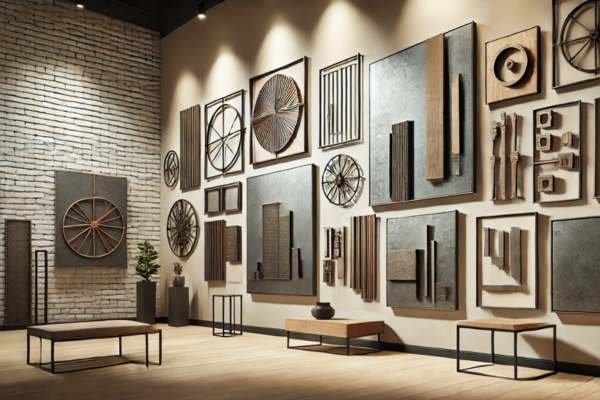
Metal wall art embodies variety. From sleek, business panels with geometric designs to weathered, rustic sculptures that evoke nostalgia, those portions tell a tale. Forged from materials like iron, aluminum, or maybe combined metals, every creation reflects craftsmanship and durability. Metal’s inherent durability lends itself to difficult carvings, formidable cutouts, or minimalist silhouettes. When strategically located, those artwork bureaucracy capture mild, creating an interaction of shadows that evolves all through the day.
Gathering The Necessary Tools And Supplies
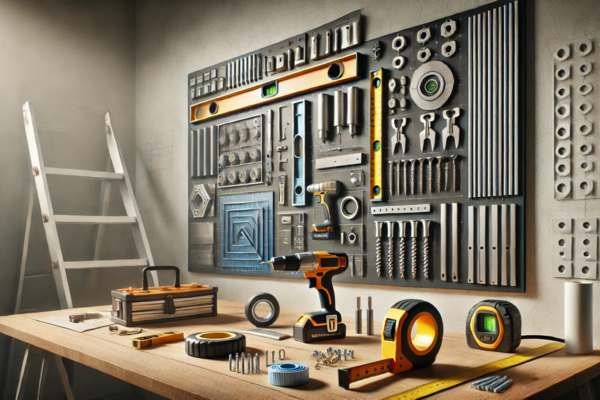
Success begins with preparation. Imagine starting the task and realizing you’re missing something as simple as a pencil! Equip yourself with essentials: a level to ensure symmetry, a measuring tape for accuracy, and a drill that can handle varied surfaces. Anchors and screws should be selected based on weight and wall type. For heavier pieces, a stud finder becomes indispensable, while adhesive strips may suffice for lightweight creations. Organization here is not just a suggestion—it’s non-negotiable.
Choosing The Perfect Spot For Your Metal Wall Art
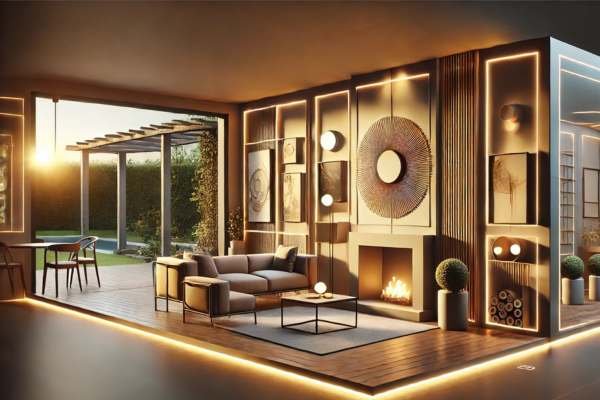
Every wall has potential, but not every wall deserves your masterpiece. Consider spaces where the art enhances the room’s narrative, such as above a mantel or along a barren hallway. Light plays a crucial role—natural sunlight during the day and ambient lighting at night can transform the appearance of make metal wall art. For outdoor spaces, prioritize locations shielded from relentless sunlight or heavy rain to protect the finish. Placement is a balancing act of practicality and visual drama.
Selecting The Right Hanging Hardware
Hardware can make or break your installation—literally. Lightweight pieces can usually rely on adhesive strips or basic picture hooks. But heavier, statement-making sculptures require more robust solutions: toggle bolts, masonry anchors, or even French cleats for optimal weight distribution. Each piece of hardware must be matched to the wall type, whether drywall, brick, or wood. Neglecting this step could lead to structural damage or worse—a shattered masterpiece.
Preparing The Wall For Installation
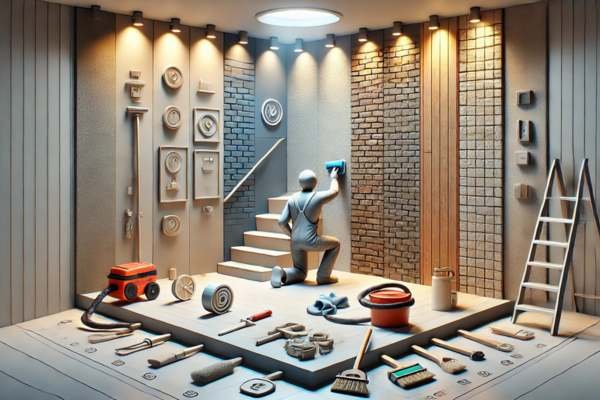
Overlook wall preparation at your peril. Even the sturdiest screws or adhesives can fail if the surface is dusty or greasy. Wipe down the wall with a damp cloth, and allow it to dry completely. For porous surfaces like brick, remove any loose debris with a brush. A clean surface isn’t just a cosmetic improvement, it’s a foundation for long-lasting stability.
Measuring And Marking For Placement
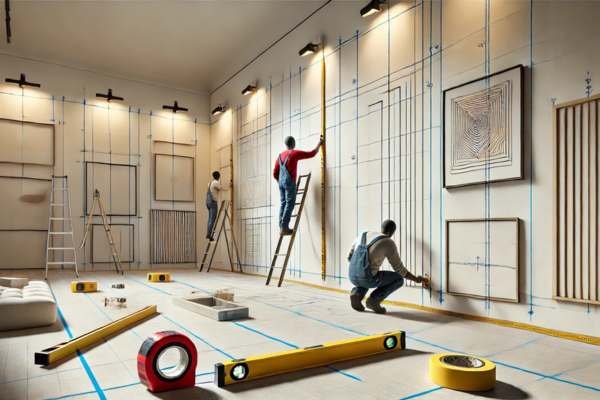
Symmetry is the language of the human eye. To ensure your art hangs perfectly, start with accurate measurements. Center the art on the desired wall and use a pencil to lightly mark the top edge. For groupings, arrange the pieces on the floor first, experimenting with layouts until they feel just right. Painter’s tape can be used to visualize placement on the wall without making permanent marks. Precision here saves you from regrettable mistakes.
Preparing For Installation
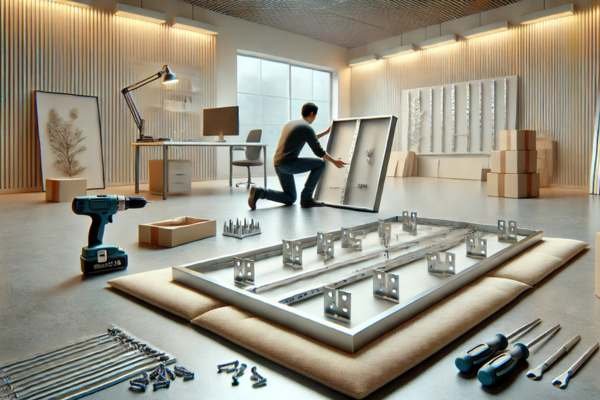
Art installation begins long before the drill touches the wall. Inspect your piece for mounting brackets or hooks. If none exist, you may need to attach your own. Lay the art on a soft surface to prevent scratches and double-check the placement of mounting points. Gather all tools and hardware within arm’s reach. A few moments of preparation now will save you a world of frustration later.
Types Of Metal Wall Art For Indoor And Outdoor Spaces

Not all metal art thrives in the same environment. Indoor options, like framed metallic panels or minimalist wire sculptures, elevate living rooms and hallways with understated elegance. Outdoor art, however, must endure nature’s elements. Powder-coated steel, weathered copper, or treated aluminum pieces stand resilient against rain and sun. A piece that blends seamlessly into its surroundings—whether an abstract trellis or a wrought iron medallion—becomes a living part of its environment.
Hanging Metal Wall Art On Drywall
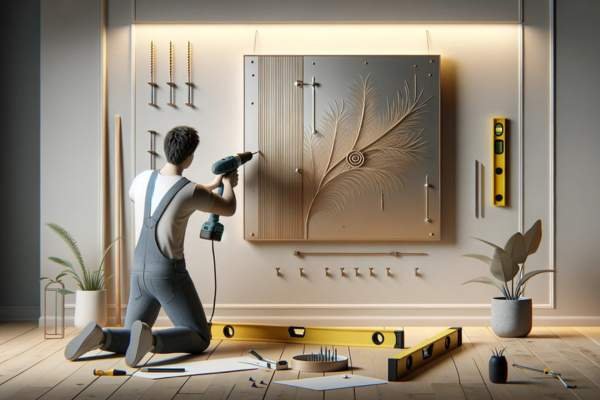
Drywall, though ubiquitous, has its limitations. Anchors are your best friend here, especially for heavier pieces. Start by locating a stud if possible—it provides unparalleled support. Drill carefully, insert the anchor, and attach your hardware securely. Use a level to confirm the art’s alignment, because even the slightest tilt can disrupt the visual harmony of a room.
Hanging Metal Wall Art On Brick Or Concrete
Brick and concrete present their own challenges but are equally rewarding when handled correctly. A masonry bit and hammer drill are non-negotiables here. Pilot holes should be drilled carefully, with plastic or metal anchors inserted to hold screws firmly. These surfaces demand precision and patience, but the result—a stable, enduring display—proves worth the effort.
Hanging Metal Wall Art On Wood
Wooden walls are forgiving and easy to work with. A single nail or screw is often sufficient for lightweight pieces, though heavier items benefit from wood screws driven directly into the studs. The warmth of wood complements the metallic sheen, creating a striking contrast that enhances both materials.
Benefits Of Metal Wall Art For Your Garden Aesthetic
Metal wall art extends its magic beyond four walls. In gardens, it transforms fences, patios, or trellises into artistic landscapes. Pieces like copper suns or galvanized floral sculptures age gracefully, developing a patina that deepens their charm. Beyond aesthetics, they also serve practical purposes, such as supporting climbing plants or framing outdoor spaces.
Maintaining Your Metal Wall Art Over Time
Art maintenance is not a task—it’s a ritual. Dust your indoor pieces weekly, and for outdoor art, gently clean with mild soap and water to remove dirt and prevent oxidation. Apply a clear protective sealant annually to outdoor items to prolong their life. These small acts of care preserve the art’s brilliance and ensure it continues to captivate.
Frequently Asked Questions
1. Can I Hang Metal Wall Art Outdoors Without Damage?
Yes, you can hang metal wall art outdoors, but ensure it’s designed for outdoor use. Look for rust-resistant or waterproof finishes to protect it from rain, sun, and humidity. Applying a protective clear coat can also add an extra layer of durability. Place it in a sheltered area, like under an awning, to minimize direct exposure to harsh weather.
2. How to Safely Hang Heavy Metal Wall Art?
To hang heavy metal wall art safely, use sturdy anchors or wall studs for support. A stud finder can help locate secure mounting points. Use heavy-duty screws or brackets rated for the artwork’s weight. Consider using wire hangers or French cleats for added stability. Always double-check weight capacity and ensure tools are properly installed.
3. What Tools Do I Need to Hang Metal Wall Art?
Common tools include a hammer, nails, level, measuring tape, and wall anchors. For heavier pieces, use a stud finder, heavy-duty screws, or brackets. A drill may also be necessary for precise installations.
Final Thoughts
Hanging up metal wall art can transform your space into a stylish haven, but getting it right requires a touch of expertise. Whether you’re enhancing your living room or personalizing your bedroom, understanding the best methods ensures your artwork stays secure and beautifully displayed. Learn how to hang up metal wall art effortlessly with tips on choosing the right tools, finding the perfect placement, and ensuring your decor complements the room’s style. Elevate your home’s aesthetic by mastering this creative task while keeping your walls intact and your art perfectly aligned.