

Hybrid mattresses combine the traditional support of innerspring coils with the plush comfort of foam or latex layers, offering a balanced sleep experience. Memory foam mattresses, on the other hand, focus on contouring to the body, using viscoelastic foam to relieve pressure and enhance spinal alignment. Both types cater to different sleep preferences—hybrids provide bounce and breathability, while memory foam delivers a cradling, motion-isolating feel. Understanding the key differences between hybrid and memory foam mattresses is essential for choosing the perfect match for your sleep needs. Whether you prioritize support, cooling, or pressure relief, exploring what is a hybrid mattress vs memory foam helps in making an informed decision for restful nights.
Introduction To Hybrid And Memory Foam Mattresses

Hybrid and memory foam mattresses cater to a spectrum of sleep enthusiasts, each seeking something unique. A hybrid mattress artfully fuses the age-old reliability of innerspring coils with the modern comfort of foaming or latex layers. The result? A balanced concoction of resilience and plushness. Memory foam mattresses, on the other hand, embrace your body like a second skin, using viscoelastic foam to soothe pressure points and ensure undisturbed slumber. Both are trailblazers, but they chart very different paths to dreamland.
Core Differences Between Hybrid And Memory Foam Mattresses

The architecture of hybrid mattresses is a symphony of contrasts. Coils, often encased individually, form the sturdy backbone, while foam layers deliver surface softness. This interplay offers adaptability and breathability. Memory foaming mattresses dismiss such complexity, opting for a single, all-foam composition that cocoons the sleeper. The distinction isn’t just in structure but in feel—hybrids dance between firmness and springiness, while memory foam envelops you in a slow, deliberate embrace.
Benefits Of Hybrid Mattresses

Hybrid mattresses boast a versatile nature, appealing to an array of sleep preferences. Their coil systems promote airflow, keeping sleepers cool through the night—a boon for those prone to overheating. Furthermore, hybrids shine with robust edge support, allowing full utilization of the mattress surface. This is ideal for couples, restless sleepers, or anyone who craves consistency in comfort across the bed.
Benefits Of Memory Foam Mattresses
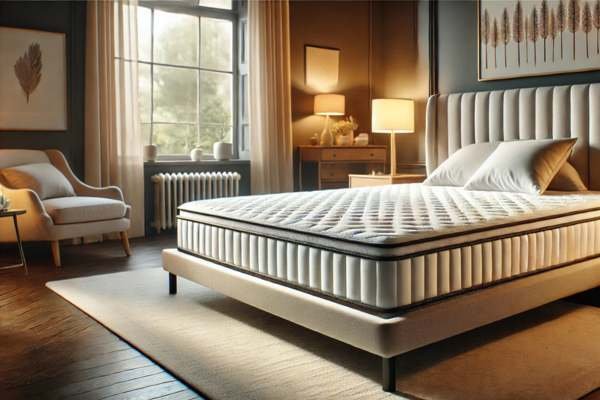
The allure of memory foam lies in its unparalleled pressure-relieving properties. By responding to your body’s heat and weight, it cradles joints, alleviates discomfort, and aligns the spine. Whisper-quiet and motion-absorbing, these mattresses are a sanctuary for light sleepers. The calm they offer is both physical and auditory—a rare combination in the mattress world.
What Are Hybrid And Memory Foam Mattresses?
A hybrid mattress thrives on its duality—resilient coils beneath and soft, contouring foam above. This blend provides targeted support without sacrificing comfort. Memory foaming mattresses, however, focus singularly on enveloping the sleeper. Their viscoelastic foam layers adapt to your every curve, offering a snug fit that feels tailored to your body.
The Comfort Of Memory Foam

Comfort is the hallmark of memory foam. Its ability to respond to the body’s unique contours creates a sensation of weightlessness. Pain in the hips, shoulders, or back? Memory foam mattress minimizes these aches with its pressure-point precision. It doesn’t just offer a surface to sleep on—it redefines what rest can feel like.
Temperature Regulation Technologies In Memory Foam
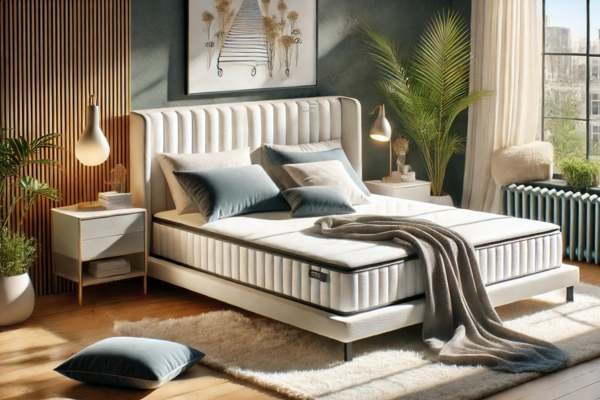
Traditional memory foam has faced criticism for trapping heat, but innovation has rewritten its story. Gel-infused foaming, phase-change materials, and open-cell structures now help dissipate heat, keeping the sleeper cool. These advancements make modern memory foam mattresses viable for those who once found them stifling.
How Hybrid Mattresses Support Different Sleeping Positions
Hybrid mattresses cater to the diversity of human sleep styles. Side sleepers benefit from the plush upper layers that cushion the shoulders and hips. Back sleepers enjoy the even support provided by coils, ensuring the spine remains aligned. Even stomach sleepers, who often struggle with sagging surfaces, find comfort in the firm foundation hybrids provide.
Memory Foam Advantages For Stomach Sleepers
Stomach sleepers demand a delicate balance—firmness to keep the torso supported but softness to cushion pressure points. Memory foam delivers both. Its responsive surface minimizes midsection sinking, safeguarding spinal alignment. This makes it an underrated champion for stomach sleepers seeking solace.
Comparing Durability And Lifespan
Hybrid mattresses, with their sturdy coils, often outlast memory foam counterparts, particularly when subjected to heavy use. However, high-density memory foam can rival hybrids in longevity if well-maintained. Both types promise durability, but the hybrid’s reinforced core gives it a slight edge in prolonged performance.
How Memory Foam Mattresses Support Different Sleeping Positions
Whether you curl up on your side, lie flat on your back, or switch positions throughout the night, memory foam adapts. Side sleepers are cushioned, back sleepers are aligned, and even restless sleepers find stability. Its versatility ensures it caters to the intricacies of every posture.
Longevity Of Hybrid Mattresses Versus Memory Foam
The layered complexity of hybrid mattress vs memory foam often translates to enhanced durability. Coils resist sagging and foam layers maintain their integrity longer. Memory foaming, though simpler in construction, is prone to compression over time. Still, with proper care, both can provide a decade of dependable rest.
Maintenance Tips To Extend Your Mattress’s Life
- Rotate Regularly: Rotate your mattress every few months to prevent uneven wear.
- Invest in a Protector: A waterproof, hypoallergenic protector shields against spills, dust, and allergens.
- Clean Gently: Vacuum the surface periodically and address stains with mild solutions.
- Use a Solid Base: Ensure your mattress has a supportive frame to maintain its shape and longevity.
Consistent care ensures your investment continues to deliver optimal comfort for years.
Frequently Asked Questions
– How Does Memory Foam Differ From Hybrid Mattresses?
Memory foam mattresses are made entirely of foam, offering a contouring, body-hugging feel that reduces pressure points and motion transfer. Hybrid mattresses combine innerspring coils with foaming or latex layers, providing balanced support, responsiveness, and enhanced airflow. Memory foam excels in pressure relief, while hybrids offer a versatile blend of comfort and support.
– Which Is Better: Hybrid Mattress or Memory Foam?
The better choice depends on your needs. If you prefer plush contouring and motion isolation, memory foam is ideal. For a cooler, more supportive feel with added bounce, a hybrid mattress is the better option.
– What Makes Hybrid Mattresses Different From Memory Foam?
Hybrid mattresses combine innerspring coils with foaming or latex layers, offering balanced support and breathability. Memory foam mattresses, made entirely of foaming, provide contouring comfort and motion isolation. Hybrids suit varied preferences, while memory foam excels in pressure relief.
Final Thoughts
A hybrid mattress combines the support of innerspring coils with the comfort of foam or latex, offering balanced firmness and breathability. Memory foaming, in contrast, contours closely to the body, delivering exceptional pressure relief and motion isolation. Both options cater to unique sleep needs, making the choice between hybrid and memory foam dependent on personal preferences. Whether you prioritize support, cooling, or cradling comfort, understanding what is a hybrid mattress vs memory foam ensures you invest in restful, rejuvenating sleep tailored to your lifestyle.