
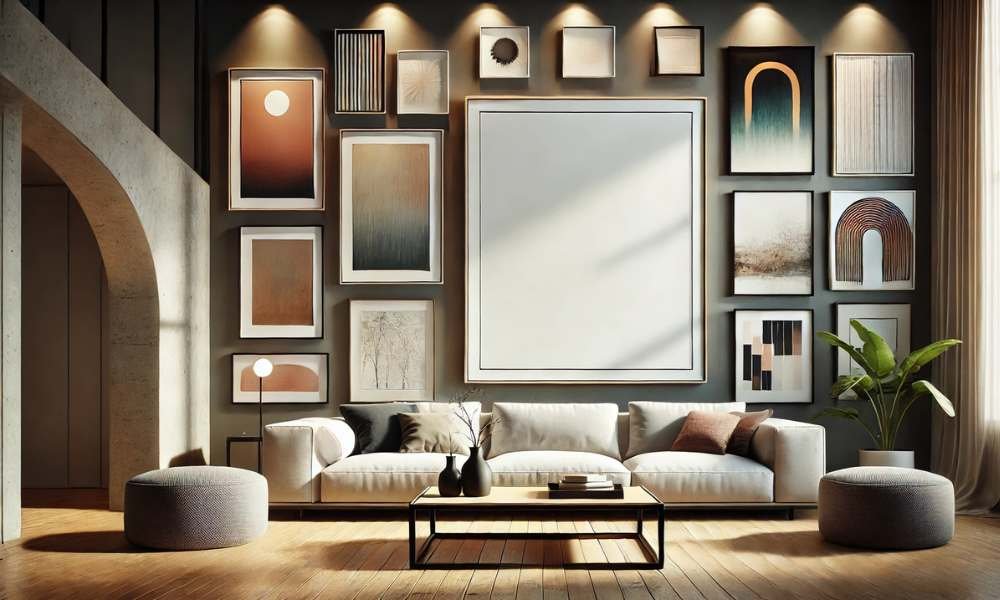
When deciding how big should art be on a wall, it’s essential to consider the proportions of both the artwork and the space around it. The right size can make a room feel balanced, enhancing its aesthetic appeal. Too large, and it may overwhelm the space; too small, and it may get lost. A general rule is to aim for the artwork to take up about 60-75% of the available wall space. For a cohesive look, reflect on consideration on the room’s length, fixtures format, and the preferred surroundings. In this manual, we’ll discover guidelines and mind on choosing an appropriate art size to supplement your indoors fashion.
Understanding The Impact Of Art In Your Living Space
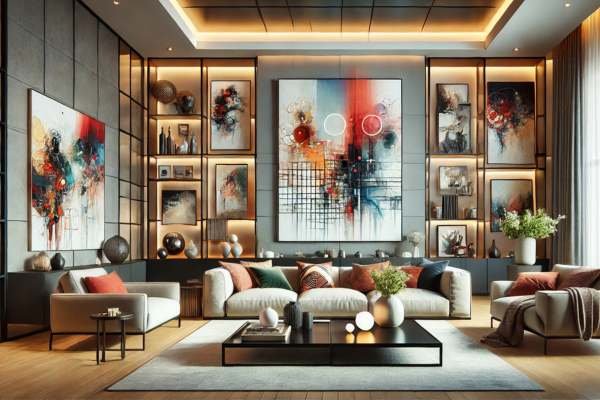
The power of art in a room is far-reaching. It’s not just an aesthetic choice but a defining feature that influences mood and ambiance. A thoughtfully chosen artwork has the ability to dictate the energy of a space, bringing life, vibrancy, and intrigue. It acts as a reflection of the occupant’s personality, offering insights into their tastes, passions, and lifestyle. However, art’s transformative power is intricately tied to its scale. A piece that’s too large can overwhelm the space, while one that’s too small may disappear against the backdrop of its surroundings. Striking the right balance is prime. The role of art, when executed properly, is to harmonize with the room’s elements, creating a visually cohesive and inviting atmosphere.
Finding The Perfect Size For Wall Art
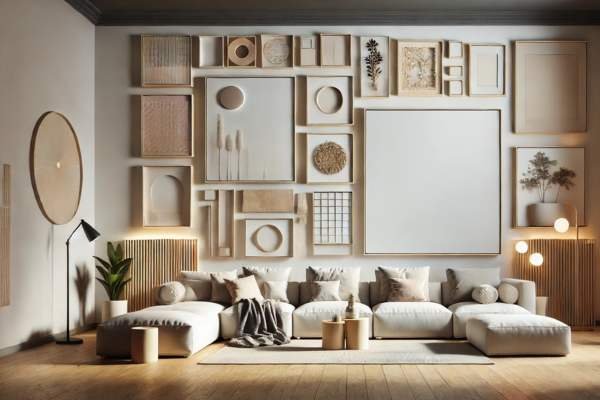
Determining the right size for your choose wall art involves a careful balance between the room’s dimensions, the scale of furniture, and the design style of the space. Artwork should occupy a significant portion of the wall without feeling overpowering. The general guideline is for the art to take up 60-75% of the available wall space. But this is just that—a guideline. Every room is different, and the perfect piece will be one that engages with the room’s character and function. A large, commanding piece can make a bold statement in spacious rooms, while a smaller piece can evoke a more intimate, focused ambiance. Ultimately, your choice should reflect your unique style and the atmosphere you wish to cultivate.
Considering The Room’s Functionality
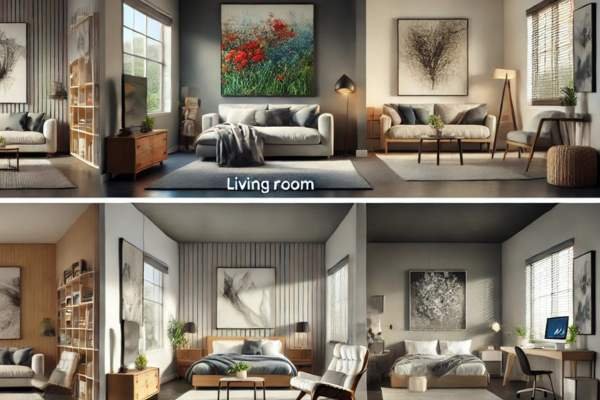
The purpose of the room heavily influences the art size that would work best. In social spaces like living rooms, where gatherings and conversations often occur, larger pieces may be suitable to make a statement or set a certain tone. Meanwhile, in more private spaces such as bedrooms or home offices, smaller, subtler pieces may be the perfect fit, helping to create a peaceful, calming environment. It’s essential to consider the room’s intended use and the mood you wish to foster when selecting the scale of your artsy. For instance, oversized artwork can inject energy into entertainment spaces, while more restrained pieces may be better suited for spaces designed for relaxation and focus.
Choosing Wall Art Size Based On Room Purpose
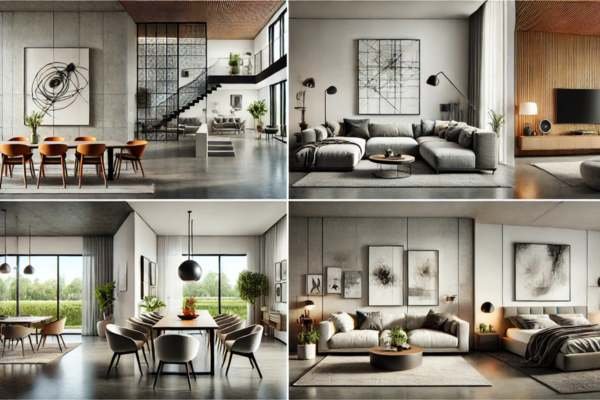
Each room holds a unique character that should guide your choice of art. In a dining room, for example, the art should be sizable enough to catch the eye but not so large that it distracts from the conversation. On the other hand, an expansive hallway or entryway may be the perfect place for large, statement-making pieces that grab attention immediately. In smaller rooms like bathrooms or corridors, the artwork should be appropriately scaled to avoid overwhelming the space. The idea is to choose artsy that complements, rather than competes with, the purpose of the room, enhancing the space’s energy and overall harmony.
How High To Hang Wall Art For Maximum Visual Appeal
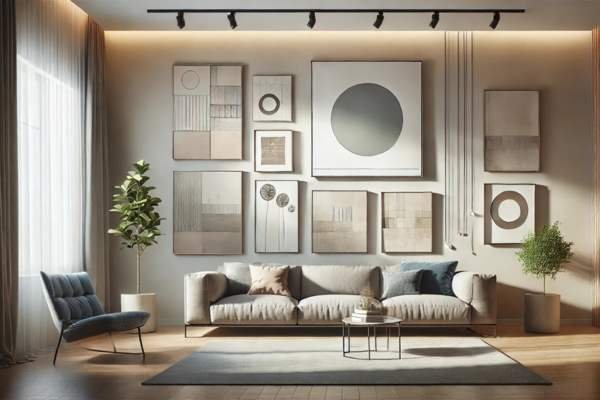
The height at which you hang your artwork plays a pivotal role in its visual impact. The optimal placement is generally at eye level, with the center of the artwork approximately 57 to 60 inches from the floor. This ensures the piece is viewed comfortably by most people. If you have particularly high walls, larger pieces may require placement slightly higher, while smaller works might benefit from a lower position to avoid leaving the space feeling bare. For rooms with multiple pieces, group them at a uniform height to create an organized, cohesive aesthetic that adds visual interest.
Measuring Your Wall Space Before Choosing Art
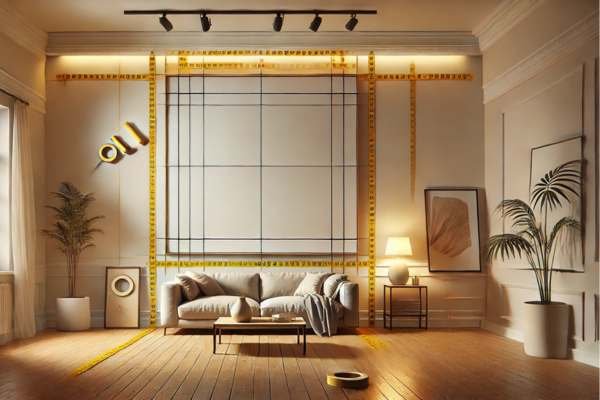
Before purchasing that perfect artwork, it’s essential to measure the available space accurately. Proper measurements will prevent the unfortunate mistake of choosing a piece that either dwarfs or gets lost on the wall. Consider the width and height of the wall, but also take into account how the furniture in the room is arranged. If a large sofa or bookshelf will sit below the artwork, ensure there’s sufficient space above it to maintain balance. You can even use painter’s tape to outline the intended dimensions of the artwork on the wall, giving you a clear visual sense of scale before making a final decision.
Mixing And Matching Different Art Sizes
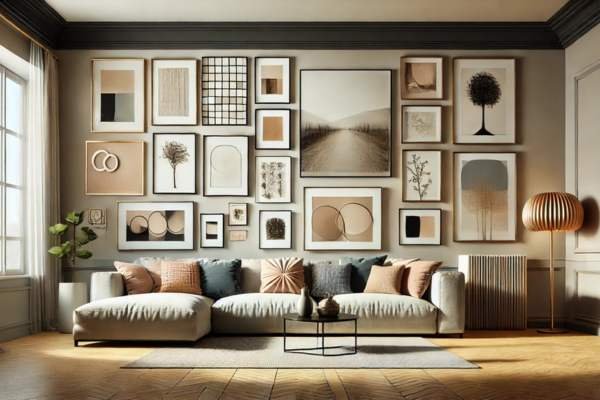
It’s a common misconception that all the art on a wall must be of the same size. In fact, a well-executed mix of sizes can create a visually dynamic and personalized gallery. But with this approach comes the need for careful curation. Consider anchoring the arrangement with one larger piece, and then surround it with smaller works to create a balanced grouping. Alternatively, you could design a gallery wall with diverse frame styles and sizes. The key is cohesion. While mixing different sizes can inject vitality and character into the space, it’s important that the overall arrangement feels deliberate and harmonious.
The Role Of Color And Style In Choosing Art Size
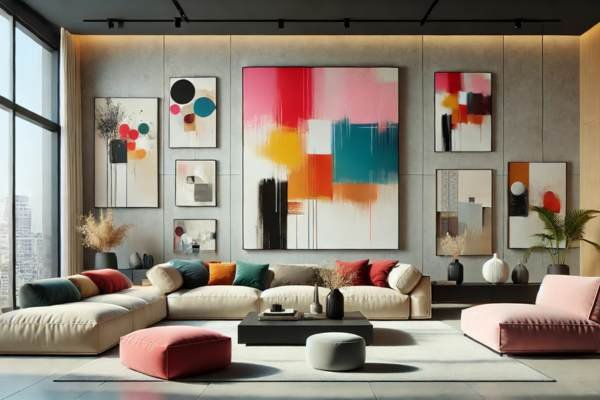
The colors and style of the artwork you choose can impact how its size is perceived. Large pieces in bold, vibrant colors tend to dominate a room, while softer tones in smaller works may blend into the background. The style of artsy should also complement the room’s existing decor. For example, minimalist pieces may suit a modern, clean-lined environment, while more detailed or ornate works may feel more appropriate in traditional settings. The interplay between size, style, and color creates a synergy that enhances the aesthetic cohesion of the space.
Special Considerations For Small Walls
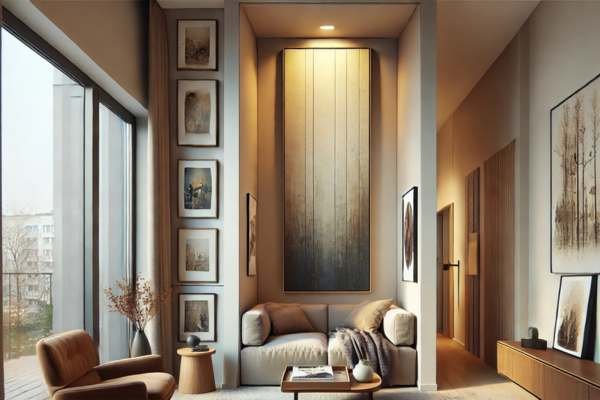
When working with smaller walls, choosing art that is proportional to the space is critical. Oversized pieces can easily overwhelm and make a small room feel cluttered or cramped. Instead, opt for more appropriately scaled artsy that enhances the space without dominating it. Vertical or long, narrow pieces can create an illusion of height, making the room feel more expansive. Sometimes, a single striking artwork can make a more significant impact than a crowded collection of smaller pieces.
Considering Ceiling Height When Choosing Art Size
Ceiling height plays a crucial role in determining art size. Rooms with high ceilings can comfortably accommodate larger artworks, allowing them to fill the vertical space and add a sense of grandeur. Conversely, lower ceilings benefit from medium to smaller-sized pieces, as they prevent the room from feeling cluttered. Vertical artwork can be particularly effective in emphasizing height, drawing the eye upward. In spaces with extremely high ceilings, oversized artsy can fill the void, preventing the area from feeling sparse or unbalanced.
How Lighting Affects Wall Art Size Perception
Lighting can dramatically alter the perception of art size. Proper lighting enhances the visual impact of an artwork, accentuating its colors and textures, while also imparting depth. Conversely, dim or inadequate lighting can make even large pieces appear flat or insignificant. Consider using accent lighting—such as track lighting or picture lights—to illuminate your artsy. Effective lighting can amplify the art’s size, drawing attention to it and ensuring it becomes a focal point in the room.
Understanding The Role Of Natural Light On Wall Art
Natural light adds another layer of complexity when considering art placement. Rooms bathed in bright sunlight can make the colors in artwork pop, creating a vibrant and lively atmosphere. However, direct sunlight over time can damage delicate materials, causing fading or discoloration. In spaces with limited natural light, opt for brighter, bolder artwork that can inject energy into the room. Careful placement is essential to protect your artsy from UV damage while still allowing it to interact beautifully with the room’s natural light.
Hanging Art Above Functional Spaces
When hanging art above functional spaces like sofas, fireplaces, or dining tables, it’s essential to maintain adequate clearance. A general guideline is to leave about 6-8 inches between the top of the furniture and the bottom of the artwork. This spacing ensures the art doesn’t crowd the furniture, allowing the piece to be appreciated without detracting from the functional element below it. The scale of the artsy should also complement the size of the furniture, creating a harmonious and balanced relationship between the two.
Frequently Asked Questions
1. How Do I Measure for the Right Art Size?
Measure both the width and height of the wall, factoring in the surrounding furniture. The artwork should occupy around 60-75% of the wall’s width for a balanced and visually appealing effect.
2. Can I Mix Different Art Sizes on One Wall?
Yes, mixing different artsy sizes can create a unique and dynamic display. The key is ensuring the arrangement feels cohesive, whether through framing style or thematic consistency.
3. How Big Should Art Be for My Wall?
The ideal size depends on the wall’s dimensions and the surrounding elements. Typically, art should occupy 60-75% of the wall space, but it should also reflect the room’s purpose and design.
Final Thoughts
Determining how big art should be on a wall depends on several factors, including the wall size, room style, and personal preference. As a general guideline, the artsy should cover about 60-75% of the available wall space for a balanced look. Ensure it aligns with the room’s aesthetics and creates the favored visual impact. By considering these aspects, you could with a bit of luck pick out the proper artwork size to beautify your space.