
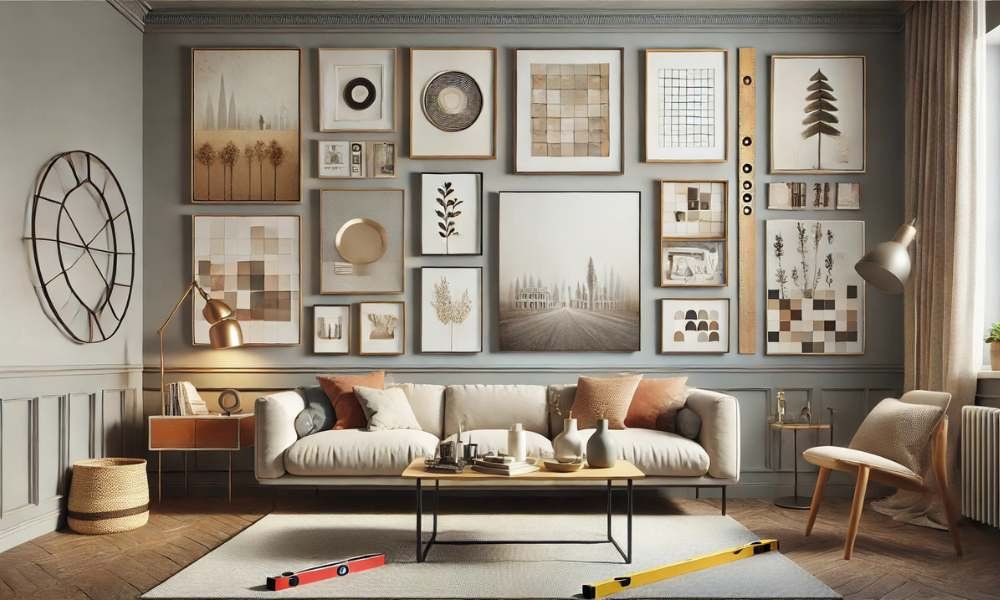
Arranging art on a wall can transform any space, adding character and personality. The key to displaying art effectively is balancing scale, placement, and style. When asking how to arrange art on a wall, consider the size of your pieces and the wall itself. Start by choosing a focal point and work around it, ensuring there’s harmony between the artwork and surrounding elements. Whether you’re grouping smaller pieces or hanging a single large statement piece, the goal is to create visual interest without overwhelming the space. By following those guidelines, you’ll create an art arrangement that elevates the overall aesthetic of your room.
Understanding The Basics Of Wall Art Arrangements
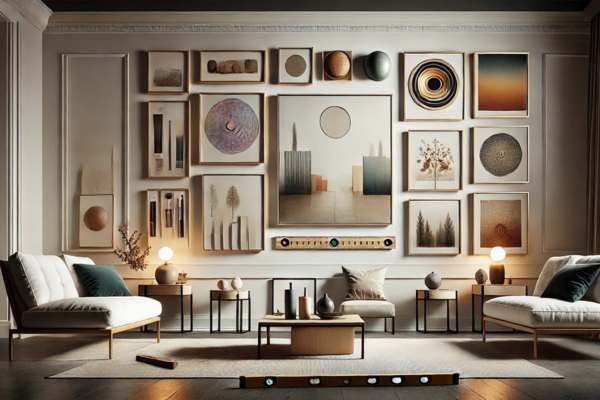
Before diving into the nuts and bolts of placing, it’s crucial to recognize the essential factors of wall artwork association. It’s no longer just about slapping some frames on the wall and calling it an afternoon. It’s approximately composition, stability, and establishing focal points that guide the viewer’s eye. Each piece should contribute to the general narrative, forming a cohesive visible enjoy. Whether your style is minimalist, with a single bold piece at the center, or more eclectic, with a mix of sizes and styles, understanding proportions and spacing is essential for a layout that feels both intentional and harmonious.
Selecting The Right Pieces For Your Wall
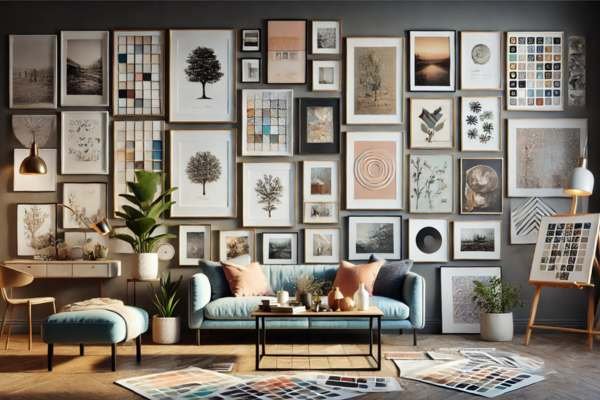
The first step to a stunning wall art arrangement is selecting the right pieces. The artwork you pick should reflect your persona, complement the room’s environment, and, most importantly, serve as a visual anchor. Do you crave bright, excessive-assessment colours to inject strength into the room? Or perhaps subtle, monochromatic tones that bring a sense of calm? Art doesn’t have to be expensive to make a statement—what matters is the connection you feel with the pieces. A carefully selected print, a well-placed vintage photograph, or even a hand-crafted DIY piece can instantly breathe life into a room, adding a personal touch that speaks to your style.
Measuring Your Wall Space For The Perfect Art Layout
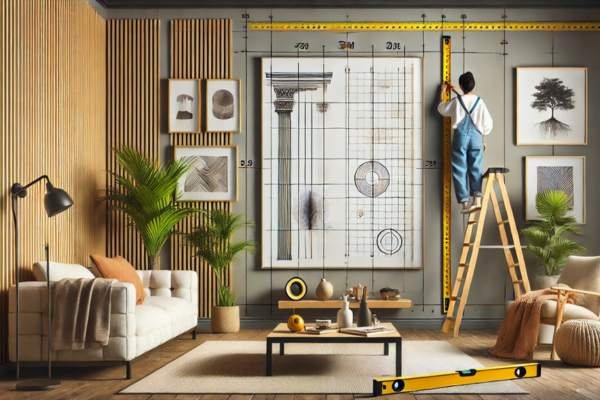
A well-thought-out layout starts with measuring your wall space. Without careful measurements, your artwork can look awkward, either overwhelming the space or getting lost in it. Take time to determine the center of your arrange art on a wall and mark guidelines to keep your pieces aligned. This simple act ensures that your artwork fits proportionately within the room, without feeling too cramped or too scattered. Precision at this stage prevents the common mistake of arranging art that either dwarfs the room or leaves too much empty space around it, achieving the perfect balance.
Deciding On The Right Art Style For Your Wall
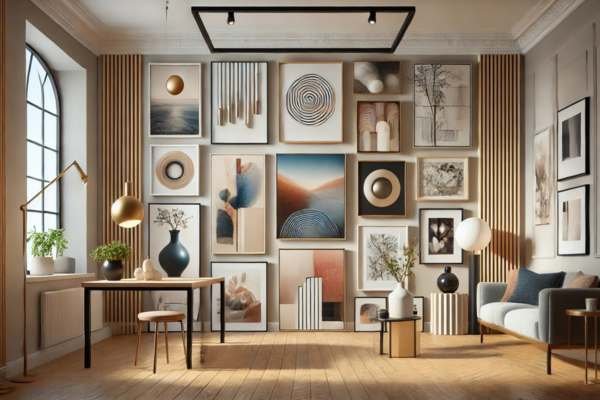
Your choice of art style should resonate with the atmosphere you’re aiming to create. Each style be it contemporary, abstract, or classic conveys a unique message. The key is selecting artwork that aligns with the rest of the room’s décor. A modern, minimalist living room, for instance, will pair beautifully with sleek, abstract pieces, while a rustic or bohemian space might embrace vintage landscapes or nature-inspired art. Consider the art style as an extension of the room’s personality, allowing it to speak in harmony with the other design elements.
Exploring Different Types Of Art For Wall Displays
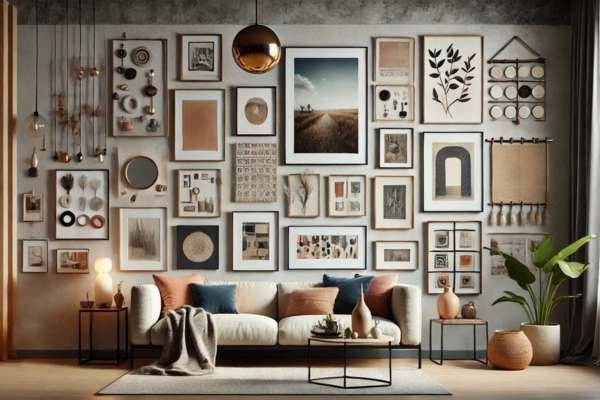
Art is not confined to traditional paintings and prints. Sculptures, textiles, photographs, and even mirrors can transform a bare choose wall art into an engaging display. Mix various forms of art to create a multi-dimensional experience. A combination of framed prints, hanging textiles, and three-dimensional objects can lend a sense of depth, drawing the eye from one piece to another. Even small additions like a mirror or a unique sculpture can elevate a simple display, adding interest and a surprising element of texture and shape.
Creating Balance And Harmony In Your Art Display
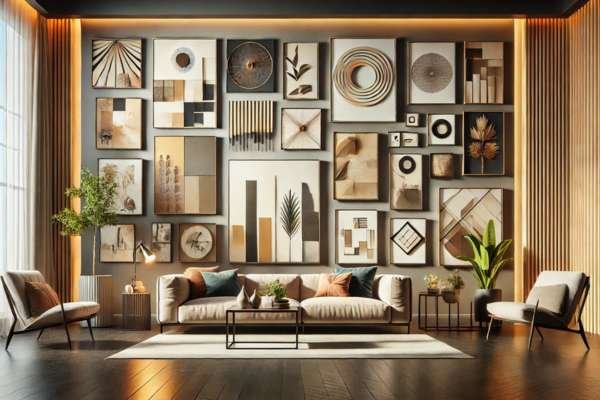
Creating balance is fundamental when arranging art. An unbalanced arrangement can feel chaotic, while a well-balanced display flows effortlessly across the space. To achieve harmony, ensure your pieces are evenly spaced, with an even distribution of size and weight. If you’re using a variety of artworks, group smaller pieces together to create a cohesive look. The key is to prevent any one piece from overpowering the rest, so that every element contributes to a unified visual narrative.
Choosing A Focal Point In Your Art Arrangement
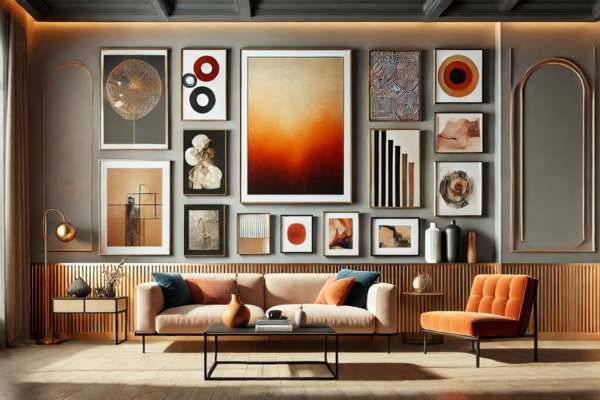
Every great art display has a focal point—a piece that immediately draws the eye and anchors the entire arrangement. This focal piece could be a bold painting, a striking photograph, or a thematic piece that aligns with the room’s vibe. By establishing this point of focus, you direct the viewer’s gaze and establish a narrative thread that ties the entire display together. Ideally, your focal point should be positioned at the center of the arrangement or at eye level, depending on the surrounding elements and the functionality of the room.
Choosing The Right Frames For Your Art
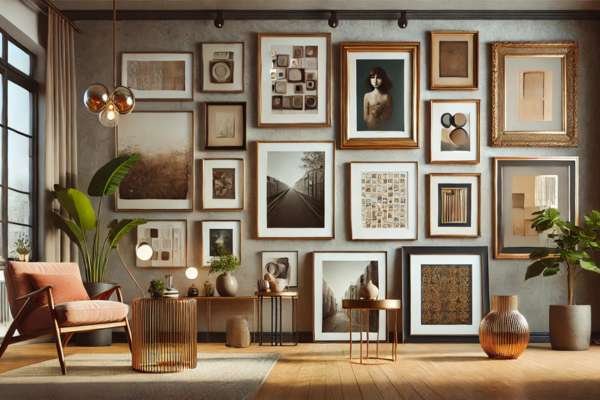
Frames are more than just protective barriers; they can transform the art itself. The right frame can elevate a modest print to a level of elegance, while the wrong frame can detract from the artwork’s impact. Choose frames that complement the artwork and room décor. Whether you prefer sleek, minimalist frames or ornate, vintage ones, the goal is to create a harmonious relationship between the artwork and its surroundings. A thoughtfully selected frame will seamlessly enhance the visual effect, drawing attention to the artsy itself without overshadowing it.
Choosing The Right Tools For Hanging Art
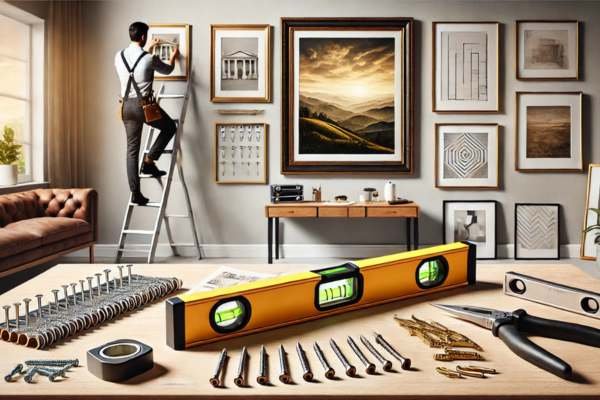
The tools you use to hang your artwork are just as important as the pieces themselves. A poorly hung artwork can ruin the visual impact, no matter how beautiful the piece is. Invest in quality picture hangers, screws, and nails. If your pieces are large or heavy, consider using anchors or specialized hanging systems designed for heavier artworks. The right tools ensure that your artwork remains securely in place, perfectly aligned, and, most importantly, level, so that each piece shines at its best.
Arranging Art Symmetrically For A Polished Look
Symmetry creates a polished, refined appearance—ideal for structured or formal spaces like dining rooms or entryways. By arranging identical or similarly sized pieces on either side of a central point, you create a sense of order that brings calm and balance to the space. A symmetrical arrangement exudes elegance and sophistication, making the room feel grounded and organized. For a more structured feel, this approach is highly effective, bringing a serene, orderly atmosphere to the room.
Incorporating Garden Sculptures And 3D Art Pieces
Take your wall artwork to the subsequent level by means of incorporating garden sculptures, reliefs, or other 3-dimensional pieces. These 3-D factors add intensity, texture, and intrigue to an otherwise flat arrange art on a wall, making it visually attractive from more than one views. Metal sculptures, elaborate wood carvings, and ceramic reliefs all make contributions to a dynamic show that invites viewers to discover past the 2-dimensional realm. Integrating such pieces provides an unexpected, but pleasant, twist on your art association.
Playing With Color And Themes
Color is one of the most powerful tools in art arrangement. It can set the mood, evoke feelings, and even deliver a feel of unity to the display. Whether you opt for a striking monochromatic palette or a vibrant mix of hues, the color choices should harmonize with the room’s overall décor. Additionally, don’t shy away from incorporating thematic elements into your arrangement. A nature-inspired collection of prints, vintage pop artsy, or a series of abstract pieces tied together by a common color theme can create a visually cohesive and striking gallery.
Arranging Art Above Furniture Or Shelving
When arranging art above furniture or shelves, it’s important to align the artwork with the piece below. Ideally, hang your art around 6-8 inches above the furniture’s top, ensuring that it complements rather than competes with the furniture. The aim is to create a experience of share and stability, in order that the artwork feels grounded inside the room’s context. Whether above a sofa, a console, or a bookshelf, the artsy should feel like an integral part of the space, not an afterthought.
Considering Height And Eye Level When Arranging Art
Height is crucial when it comes to arranging art. Ideally, artwork should be hung at eye level—typically 57 to 60 inches from the floor. However, the arrangement may vary depending on the room’s layout or the size of the artwork. For larger pieces or groupings, you may need to adjust the height slightly to ensure that the display remains in balance. Artsy positioned too high or low can feel disconnected from the room, so consider eye-level placement to create a comfortable, engaging experience.
Lighting Your Art Display For Maximum Impact
Lighting could make or damage your artwork. Proper lights no longer most effectively complement the colours and details of the artwork, however it also creates an surroundings that highlights the artwork’s visible impact. Avoid harsh, direct daylight, which could motive fading over time. Instead, choose smooth, targeted lighting which include music lighting fixtures, picture lighting, or spotlights to light up your portions. Thoughtful lighting fixtures will convey the textures and colorings of the artsy work, raising the complete show and adding a professional contact in your association.
Frequently Asked Questions
1. How high should I hang artwork on a wall?
Typically, artwork should be placed around 57-60 inches from the floor, at eye level. Depending on the layout and size of the piece, you may need to adjust this height slightly.
2. Best Ways to Arrange Art on a Wall?
Successful art arrangements consider factors like theme, balance, and size. Group smaller pieces, space your artwork evenly, and place it at an appropriate height to create visual harmony.
3. How to Create a Balanced Art Display?
Balance is achieved by spacing artwork evenly and ensuring that pieces of varying sizes are arranged in a way that feels deliberate and cohesive. Symmetry or thoughtful asymmetry can also contribute to visual balance.
Final Thoughts
Learning how to arrange art on a wall can elevate the look and feel of any room. Start by considering the size, layout, and style of both the artwork and the space. Group similar pieces together, ensuring balanced spacing for a cohesive arrangement. Experiment with different orientations, and choose frames that complement your interior design. Whether creating a gallery wall or a single focal point, thoughtful placement of artsy adds personality and visual interest to your space. By following these guidelines, you’ll be able to master how to arrange art on a wall effortlessly.