
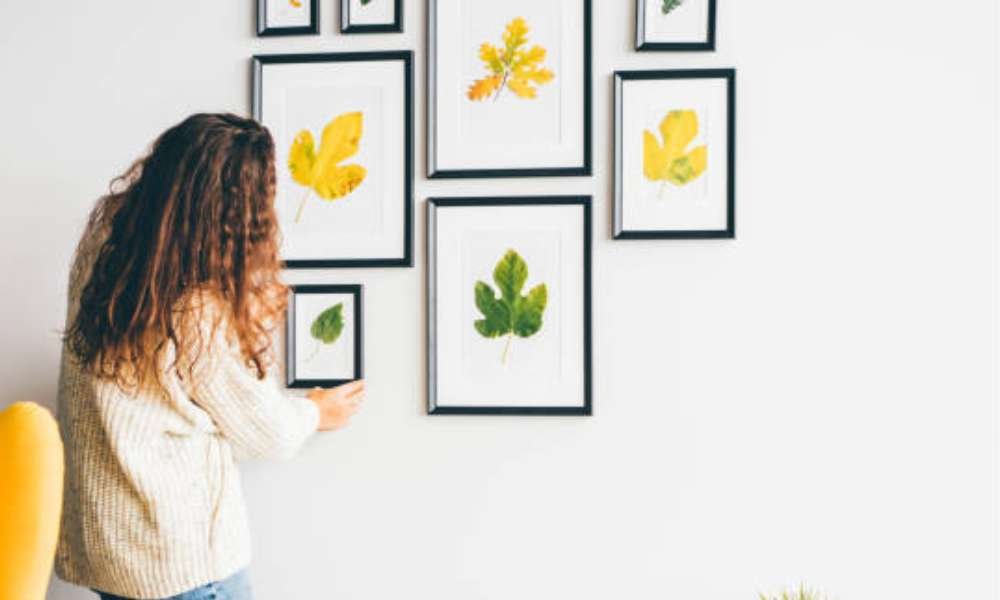
Arranging wall art can completely transform a space, adding personality and style to any room. Whether you’re decorating a living room, office, or hallway, the key to successful wall art arrangement lies in balance, proportion, and harmony. Start by considering the size of your wall and the artwork itself. For a cohesive look, group similar pieces together or create a focal point with a large statement piece. Don’t be afraid to experiment with spacing and alignment to find the perfect arrangement. With these simple tips, you’ll learn how to arrange wall art in a way that enhances your space and reflects your unique taste.
Choosing The Right Wall Art
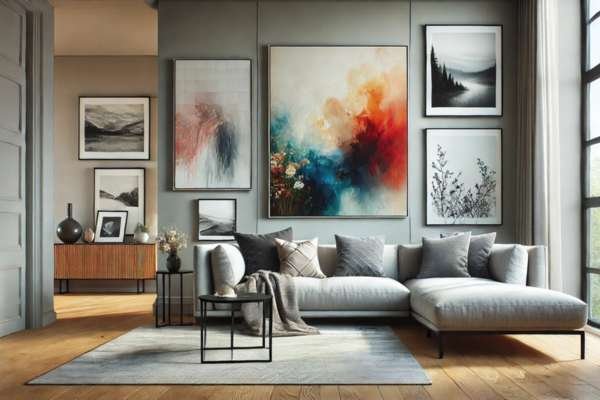
Choosing the right artwork goes beyond browsing galleries or online stores it’s about finding pieces that resonate on a deeper level. When you select a piece of art, ask yourself: Does it evoke emotion? Does it align with your personal style or the atmosphere you’re trying to create? Think beyond just style, consider the medium, from vibrant oil paintings to calming black-and-white photography, and the emotional weight each medium carries. Abstract works may inspire introspection, while landscape photography might evoke a sense of serenity. Be mindful of the size as well; oversized paintings can dwarf smaller rooms, while delicate, minimalistic art might get lost on large expanses of wall. The right artwork serves as both a reflection of yourself and a visual anchor within the room.
Understanding Your Wall Space
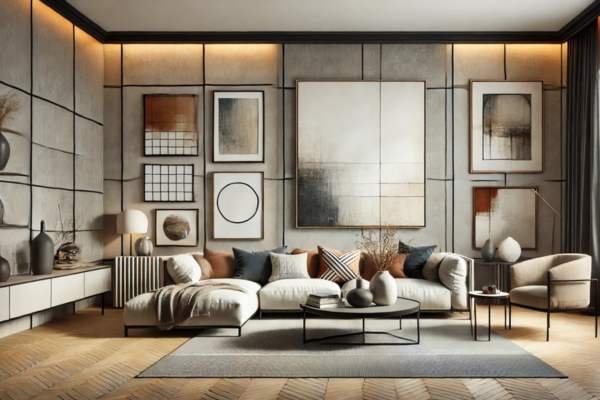
Before hanging anything, take a step back and evaluate the space you’re working with. The dimensions of the wall are crucial—its width, height, and proportions will inform your decisions. Large walls offer the freedom to experiment with multiple pieces or one large, commanding artwork. However, be wary of the temptation to overcrowd. A single statement piece can often have a more profound impact than a busy collage of smaller works. On the other hand, tiny walls or nooks may demand a more curated approach, with a select few artworks displayed thoughtfully to avoid visual clutter. The height at which you hang your art matters as well—too high, and it feels disconnected; too low, and it seems out of place.
Choosing The Right Wall For Your Art Display
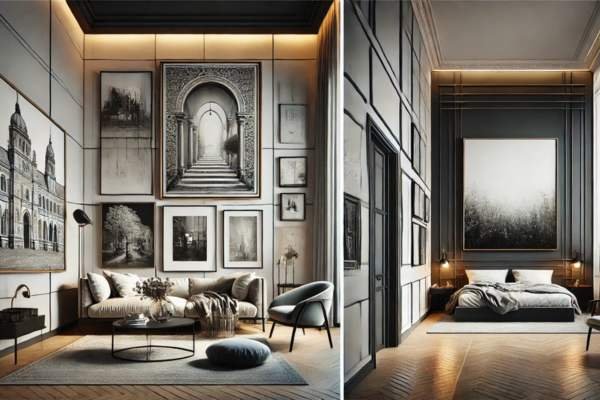
Not all walls are created equal. Every room has its herbal focal points, and expertise in which to vicinity your art is prime to accomplishing a harmonious layout. A wall above a sofa, for instance, beckons larger works or clusters of artwork that draw the eye. A wall that houses your bed might deserve something more serene—perhaps a minimalist piece or a trio of paintings in muted tones. Conversely, smaller walls or corridors can benefit from smaller works or an arrangement that doesn’t demand too much visual weight. Think about the existing elements in the room—an ornate, vintage frame could be out of place on a raw, industrial-textured wall, just as a sleek, minimalist piece might not sit well in a room laden with rich textures and patterns.
Determining The Theme Of Your Wall Art
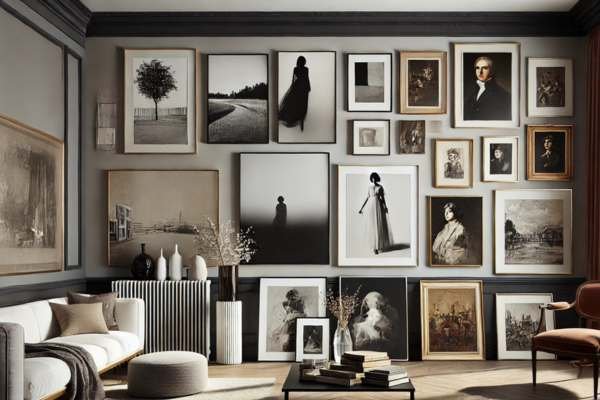
Every art collection, no matter how eclectic, benefits from a central theme. A cohesive topic doesn’t simply streamline your picks—it guarantees that all your portions work together to tell a unified story. Whether your theme is based on color, medium, or emotion, it’s vital to keep the larger picture in mind. For example, a space with a minimalist design might benefit from simple, black-and-white photographs or abstract art that speaks to calm and restraint. On the other hand, a traditional room may call for classic oil portraits or vintage-inspired pieces. Don’t shy away from mixing styles, but ensure there’s an underlying thread that ties everything together—be it color, texture, or conceptual ideas.
Selecting The Perfect Frames

Frames serve a dual purpose: they protect your artwork and enhance its visual appeal. But selecting the right frame requires as much thought as choosing the artwork itself. A frame can elevate a piece, but if it clashes with the art, it can diminish its impact. For instance, neutral-colored frames—wood, black, or white are versatile and can complement most styles of artwork. In contrast, more ornate, gilded frames introduce an air of luxury and formality that may be more suitable for classic, vintage works. Pay attention to the scale of the frame as well: too large a frame can overpower the piece, while a frame that’s too small might make the artwork appear lost. Consistency in framing can also help unify a collection, while variations in frame styles can add an element of dynamic contrast.
Arranging Wall Art Based On Room Size
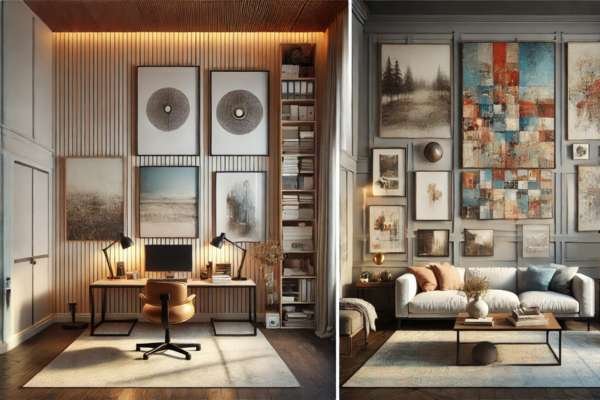
The scale of your room should guide how you arrange the art on your walls. Smaller rooms, for instance, may require a more subtle approach. One large, bold piece may command the space effectively, while a series of smaller artworks could create a gallery-like atmosphere without overwhelming the space. In larger rooms, you have more flexibility: groupings of artworks can fill empty walls, or a series of mixed-media pieces can establish a cohesive narrative across the entire space. A handy trick to balance your layout is the “rule of thirds”—dividing the choose wall art into three equal sections, and positioning your artwork so that it fits naturally within these divisions, creating a sense of balance and harmony.
Arranging Wall Art Around Focal Points
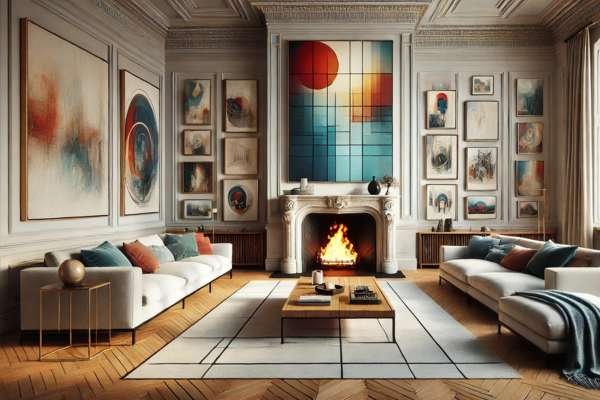
A focal point in a room is the area that naturally draws the eye. Perhaps it’s a grand fireplace, an expansive window with a view, or a piece of furniture that dominates the space. When arranging your art, take these focal points into account. Place larger or more striking pieces near these central elements to create visual unity. Smaller, subtler works can then surround these key pieces, complementing rather than competing with them. The goal is to guide the viewer’s eye through the room, ensuring the artsy feels integrated into the space rather than standing apart.
Creating A Focal Point With Statement Art Pieces
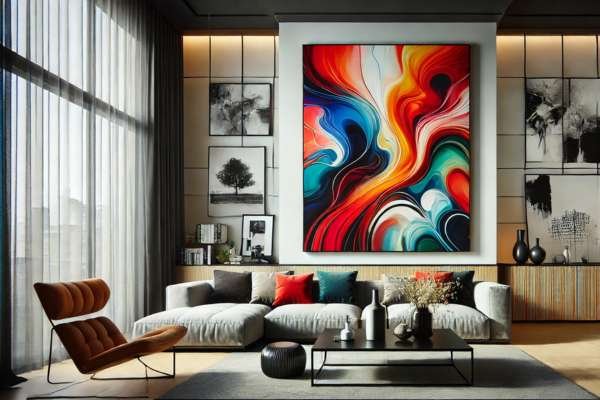
A statement piece is a bold, often larger-than-life artwork that commands attention. Think of a vivid abstract painting or a striking sculpture—pieces that immediately draw the eye. To maximize its impact, position your statement piece at eye level, allowing it to dominate the visual field. Surround it with simpler, less attention-grabbing works to maintain balance and prevent the room from feeling too chaotic. The contrast between the statement piece and its surrounding artworks creates a dynamic tension that enhances the visual depth of the room.
Balancing Art With Furniture
Art and furniture should not compete for attention but should complement each other in a harmonious balance. When positioning artwork above furniture—whether it’s a sofa, a console table, or a bed ensure the size and shape of the artsy are proportional to the piece below it. A large painting above a sofa should not overwhelm the furniture but should instead appear as an integral part of the space. Also, consider the distance between the furniture and the art—generally, art should be hung 6–12 inches above furniture to create a comfortable visual relationship that doesn’t feel too detached or too crowded.
Hanging Art At The Correct Height
The height at which you hang art can drastically affect the room’s overall flow. A standard guideline is to hang art so that its center aligns with eye level, typically around 57–60 inches from the floor. This ensures the arrange wall art is at a comfortable viewing height for most people. For larger walls, it’s acceptable to vary the height to fill the vertical space more evenly. For smaller groupings of artwork, consider aligning the top edges or the bottom edges to create a cohesive visual flow. Regardless of the approach, ensure that the artwork feels balanced and purposeful.
Seasonal And Rotating Wall Art Displays
Wall art doesn’t have to remain static. A great way to refresh a room and keep it feeling dynamic is by rotating your artwork seasonally. In spring and summer, opt for lighter, airier pieces—perhaps botanical prints or sunny landscapes. In the colder months, darker, more textured pieces can add warmth and depth to your space. The beauty of rotating your artsy is not only that it keeps your home feeling fresh but that it allows you to reflect your changing moods and seasonal inspirations.
Displaying Wall Art In Different Rooms
The approach to arrange wall art will differ depending on the function and feel of the room. In the living room, go for bold, statement-making pieces that anchor the space. Bedrooms, on the other hand, benefit from more subdued, serene artwork—think abstract landscapes or minimalist paintings. Hallways, often narrow and transitional, can be ideal for smaller pieces or curated series that guide you from one space to another. Kitchens might lean into playful, whimsical artsy, while bathrooms demand pieces that enhance the tranquil, spa-like atmosphere.
Using Color And Contrast
Color is one of the most powerful tools in any art arrangement. When selecting artwork, consider how the colors in the pieces will interact with the existing color scheme of the room. Bold, contrasting colors can introduce energy, while soft, muted tones bring a sense of calm. The right use of color—whether through complementary or contrasting shades—can enhance the mood of the room and make your artwork feel more integrated into the overall design.
Lighting For Your Wall Art
Proper lighting is essential to truly highlight your artwork. Whether you opt for track lighting, wall-mounted fixtures, or adjustable picture lights, make sure the light source illuminates the piece evenly. Harsh shadows or glares can detract from the art work’s beauty. In rooms with lots of natural mild, don’t forget UV-resistant frames or repositioning portions to guard them from fading. The goal is to show off the artsy in its best light—literally.
Troubleshooting Common Wall Art Mistakes
Even the most well-thought-out art displays can go awry. Common mistakes include hanging art too high or too low, overcrowding walls with too many pieces, or mismatching art styles with the room’s decor. The solution? Always step back and reassess your arrangement. Trust your instincts—if something feels off, it’s okay to make adjustments or try different placements. Artsy is meant to beautify your area, now not overwhelm it.
Frequently Asked Questions
1. What is the best way to arrange wall art?
The best way to arrange wall art depends on your space and personal style. Consider the size and shape of your wall, the artwork’s dimensions, and the way it complements the room’s furnishings and format.
2. How to Create a Balanced Art Display?
Achieve balance by mixing different sizes and styles of art. For larger spaces, a combination of statement pieces and smaller works creates harmony. Keep artsy at eye level for consistency, and make sure the layout feels cohesive.
Final Thoughts
Learning how to arrange wall art can significantly enhance the atmosphere of any room. By thinking about factors like scale, symmetry, and private fashion, you may create a visually placing show. Whether opting for a symmetrical format or an extra eclectic method, balance is important for achieving harmony. Keep in mind the room’s overall design and flow when deciding on the placement. With thoughtful planning and creativity, you can easily arrange wall artsy to transform your space into a personalized, stylish sanctuary.