

Maintaining a clean memory foam mattress is essential for ensuring long-lasting comfort and hygiene. This guide on how to clean memory foam mattress provides practical steps to preserve its quality and freshness. Memory foam’s precise fabric requires special care to remove dust, stains, and odors without inflicting harm. From spot cleansing cussed stains to deodorizing with natural answers, we’ll explore powerful strategies to keep your mattress pristine. Proper protection now not best complements your snoozing experience but additionally extends the lifespan of your bed. Whether managing spills, allergens, or regular put on, research the high-quality practices to repair and shield your memory foam bed, ensuring a more healthy and more comfortable sleep environment.
Understanding Your Memory Foam Mattress

Memory foam, a marvel of modern engineering, adapts to your body’s contours, providing unmatched support and luxurious comfort. This dense, viscoelastic material, while celebrated for its resilience, can be a magnet for allergens and moisture if neglected. Its porous structure is not forgiving to soaking or abrasive cleaning agents, making gentle care a necessity. Knowing these nuances ensures you approach cleaning with precision, safeguarding its integrity.
Tools And Supplies You’ll Need

Success begins with preparation. Arm yourself with these essentials:
- A vacuum cleaner equipped with a soft brush attachment
- Mild detergent or upholstery-specific cleaner
- Baking soda for natural deodorization
- White vinegar for stubborn stains (optional)
- Microfiber cloths for delicate blotting
- A spray bottle for even application
- Fans or a hair dryer for swift drying
Each tool plays a pivotal role, transforming a daunting task into an achievable feat.
Preparing Your Mattress For Cleaning

Before you commence, strip away all layers—sheets, mattress protectors, and covers. Launder them separately to ensure freshness from top to bottom. Situate your mattress on a flat, stable surface in a well-ventilated area, optimizing both visibility and accessibility. This foundational step sets the stage for effective cleaning.
Removing Surface Dust And Debris
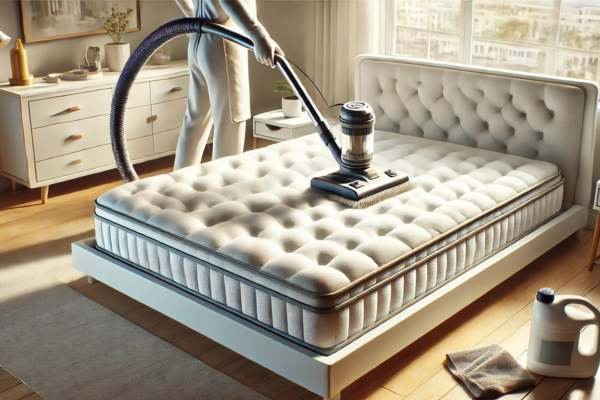
Dust and debris often embed themselves into the seams and crevices of memory foam. A vacuum cleaner with a soft brush attachment is your ally here. Glide it across the mattress with care, ensuring no particle is left behind. This step not only preps the mattress for deeper cleaning but also enhances its overall hygiene.
Spot Cleaning For Stubborn Stains

Life happens—spills, smudges, and stains are inevitable. For spot cleaning, mix lukewarm water with a mild detergent in a spray bottle. Mist the stained area lightly and blot—never scrub—with a clean cloth. Persistent marks like ink or wine might demand a vinegar-water solution. Apply sparingly, ensuring minimal moisture touches the foam.
Deodorizing Your Memory Foam Mattress
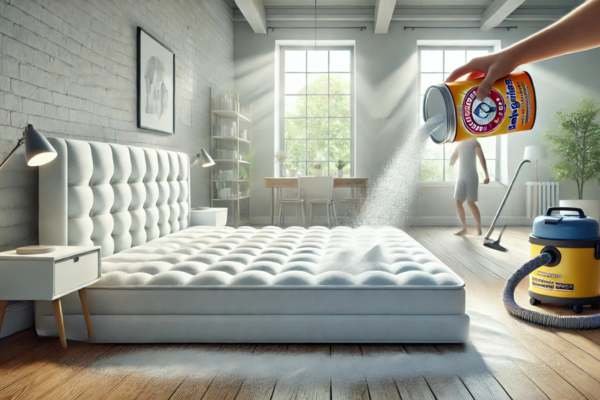
A mattress, though silent, speaks volumes through odors. Baking soda, a natural deodorizer, is your solution. Generously sprinkle it over the surface, allowing it to work its magic for hours or overnight. Once its odor-neutralizing powers are unleashed, vacuum thoroughly to reveal a refreshed mattress.
Deep Cleaning Techniques
For a thorough cleanse, turn to steam or specialized upholstery cleaners. These tools penetrate the surface without oversaturating, lifting deep-seated grime effectively. Exercise caution, as excess moisture can compromise the foam’s structure. Remember, patience and moderation are key.
Drying Your Mattress Effectively

Moisture lingering within memory foam is a recipe for disaster. After cleaning, accelerate the drying process with fans or a hair dryer on a cool setting. Place the mattress near sunlight or in a breezy area, ensuring every layer dries completely before use.
Preventing Mold And Mildew Growth
Prevention is better than cure. Employ a waterproof mattress protector to shield against liquid intrusions. Periodically air out your mattresses, reducing the risk of moisture buildup. Vigilance today wards off mold and mildew tomorrow.
Handling Pet Accidents On Memory Foam

Our beloved pets sometimes test our patience. When accidents occur, act swiftly. Blot excess liquid immediately, then apply an enzyme-based cleaner to break down odors and organic matter. Finish with baking soda to absorb residual moisture, ensuring no lingering reminders of the mishap.
Dealing With Allergies And Dust Mites
Dust mites, though invisible, can wreak havoc on allergy sufferers. Routine vacuuming and periodic baking soda applications are effective deterrents. Pair these efforts with allergen-proof covers and regular hot-water washes for a comprehensive defense.
Extending Mattress Lifespan
A memory foam mattress is an investment, and like any asset, it requires care to last. Rotate it every few months to distribute wear evenly. Avoid heavy impacts or unnecessary weight to preserve its supportive structure. A high-quality mattress protector acts as an additional shield against the trials of daily use.
Maintaining Your Mattress After Cleaning
Consistency is the cornerstone of maintenance. Establish a routine: vacuum monthly, tackle stains immediately, and refresh with baking soda as needed. These small efforts culminate in a mattress that rewards you with enduring comfort.
FAQs
1. Can You Wash a Memory Foam Mattress?
No, you cannot wash a memory foam mattress by immersing it in water. Memory foam is exceedingly absorbent, and immoderate moisture can damage its shape and encourage mildew increase. Instead, opt for surface cleaning methods like vacuuming, spot cleaning with a mild detergent, and using baking soda for deodorization.
2. What’s the Best Way to Remove Stains from Memory Foam?
The best way to remove stains is by spot cleaning. Use a mixture of mild detergent and water, apply lightly, and blot the stain gently with a clean cloth. For tough stains, an enzyme-based cleaner or a vinegar-water solution works well. Avoid over-saturating the foam.
3. How Often Should You Clean a Memory Foam Mattress?
Clean your memory foam mattress every three to six months. For households with pets or allergies, more frequent cleaning is recommended to maintain hygiene and reduce allergens. Regular maintenance keeps your mattresses fresh and long-lasting.
Conclusion
Maintaining your memory foam bed is crucial for making sure its durability and comfort. By following proper cleaning strategies, consisting of vacuuming often, spot cleansing stains, deodorizing with baking soda, and making sure thorough drying, you could maintain your mattresse clean and hygienic. Protecting it from moisture, handling stains promptly, and using a quality mattress protector will further enhance its lifespan. Knowing how to clean a memory foam mattress not only preserves its quality but also promotes healthier sleep, making it a valuable addition to your cleaning routine.