

Cleaning a memory foam mattress after bedwetting can seem challenging, but with the right approach, it’s manageable and effective. Memory foam, known for its comfort and adaptability, requires special care to ensure cleanliness without damaging its structure. Acting fast is essential to save you odors and stains from setting in. Using family objects like baking soda, vinegar, and enzymatic cleaners, you can eliminate moisture, neutralize smells, and repair your bed to its authentic country. This guide on how to clean memory foam mattress after bedwetting provides step-by-step instructions for thorough cleaning, ensuring hygiene and extending the lifespan of your mattress. Proper care not only removes stains but also preserves the comfort and durability of your sleeping surface.
Understanding Memory Foam Mattresses
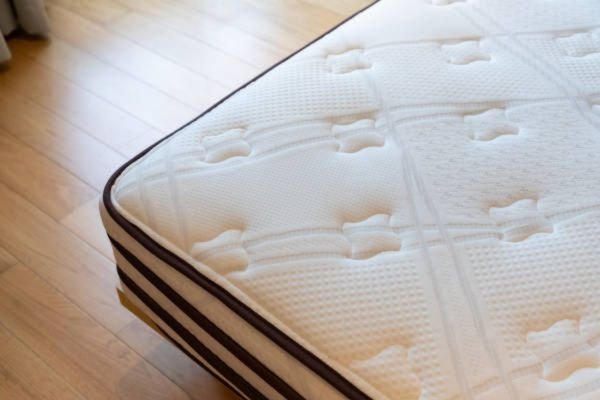
Memory foam, with its viscoelastic properties, is designed to cradle your body in luxurious support. It adapts seamlessly to pressure and heat, offering unparalleled comfort. Yet, its absorbent nature can be a double-edged sword. Liquids, if left unattended, penetrate the foam’s layers, creating breeding grounds for bacteria and unpleasant smells. Unlike conventional spring mattresses that allow spills to pool on the surface, memory foam demands immediate and precise attention. To effectively clean such a mattress requires strategy, patience, and the right tools.
Gather Your Cleaning Supplies
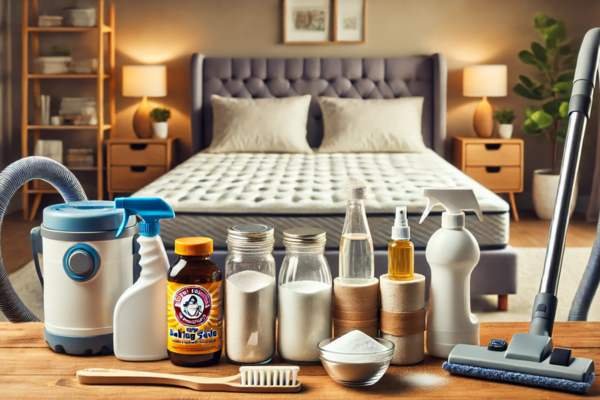
Preparation is the cornerstone of success. Having the right arsenal of cleaning supplies within reach can make a significant difference. Ensure you have the following essentials:
- Absorbent towels: To soak up moisture without spreading it further.
- Baking soda: A natural powerhouse for absorbing moisture and neutralizing odors.
- White vinegar: A versatile agent to break down stains and disinfect.
- Vacuum cleaner: With an upholstery attachment for removing debris and cleaning residues.
- Enzymatic cleaner: Specifically designed to target and dismantle protein-based stains like urine.
- Spray bottle: For evenly distributing cleaning solutions.
- Clean water: To rinse away remnants of cleaning agents.
Having these items at hand ensures a smoother process, minimizing interruptions and maximizing efficiency.
Blot The Area To Absorb Excess Moisture
Speed is critical. The moment you notice the spill, grab a clean, absorbent towel and gently press it onto the affected area. Avoid rubbing or scrubbing—this only spreads the liquid deeper into the foam’s core. Instead, dab repeatedly to draw out as much moisture as possible.
Apply Baking Soda To The Wet Spot
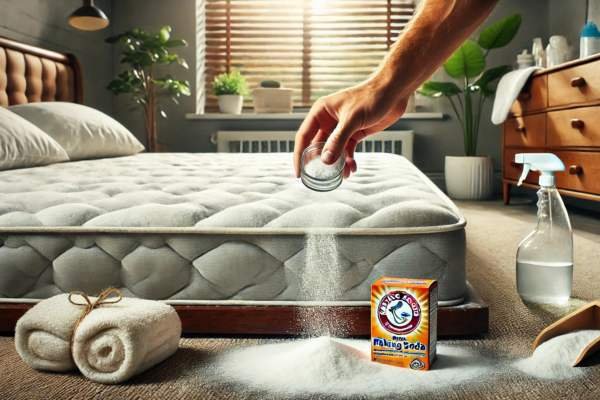
With the bulk of the liquid removed, liberally sprinkle baking soda over the damp area. This seemingly ordinary kitchen staple works wonders in absorbing residual moisture while neutralizing unpleasant odors. Let it sit undisturbed for at least 15–20 minutes, allowing it to penetrate and perform its magic.
Remove All Bedding

While the baking soda works its way through the foam, strip the wash memory foam mattress topper of all bedding. This includes sheets, mattress protectors, and pillowcases. Launder these items in hot water with a robust detergent to eliminate bacteria and ensure your sleeping environment is spotless.
Vacuum Up The Baking Soda
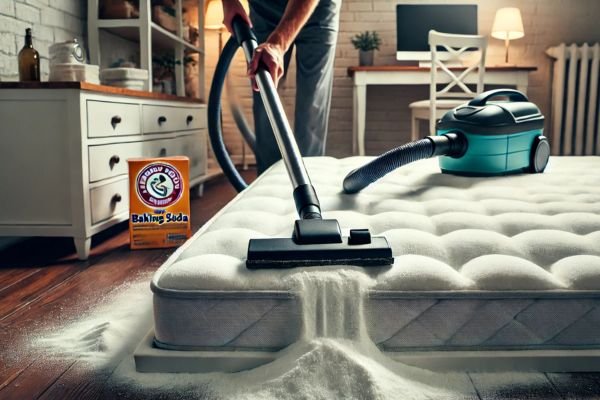
Once the baking soda has done its job, use a vacuum cleaner equipped with an upholstery attachment to meticulously remove it. Ensure you extract every particle, as remnants can hinder the next stages of cleaning. This step sets the foundation for further treatment.
Prepare A Vinegar Cleaning Solution
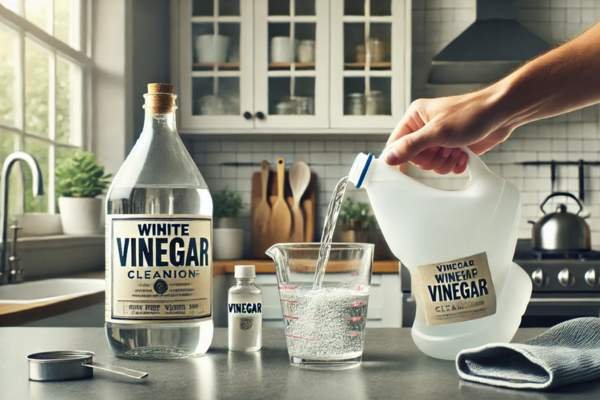
Create a potent cleaning solution by mixing equal parts white vinegar and water in a spray bottle. Vinegar’s acidic properties make it an excellent natural disinfectant, breaking down stains and neutralizing odors. Shake the bottle thoroughly to ensure even distribution of the mixture.
Spray The Vinegar Solution On The Stained Area
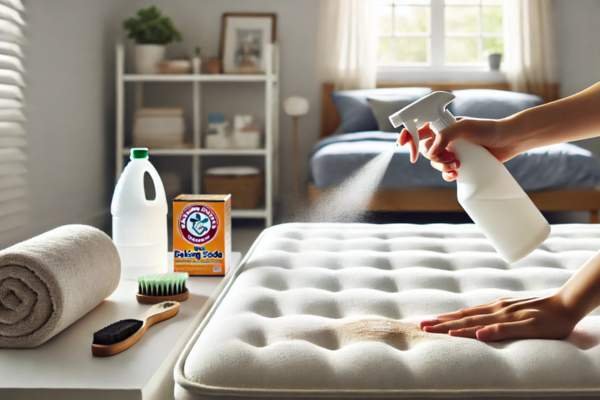
Mist the vinegar solution lightly over the stained section. Avoid over-saturating the foam, as too much liquid can exacerbate the problem. Allow the solution to sit for 10–15 minutes, giving it ample time to break down the stain and tackle odors at their source.
Blot Again With A Clean Towel
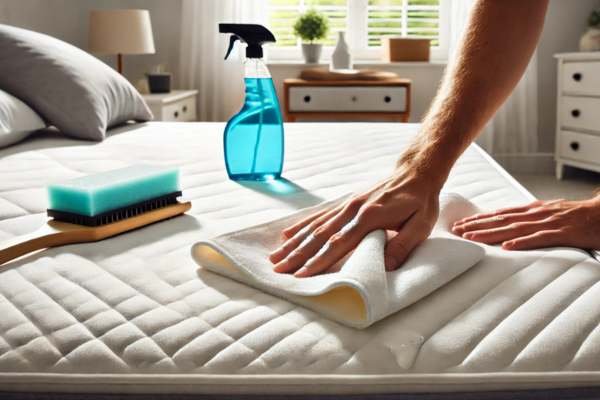
Using a fresh, dry towel, gently blot the treated area to absorb the vinegar solution. Repeat as necessary until the surface feels only slightly damp, ensuring you don’t damage the foam’s delicate structure.
Apply An Enzymatic Cleaner
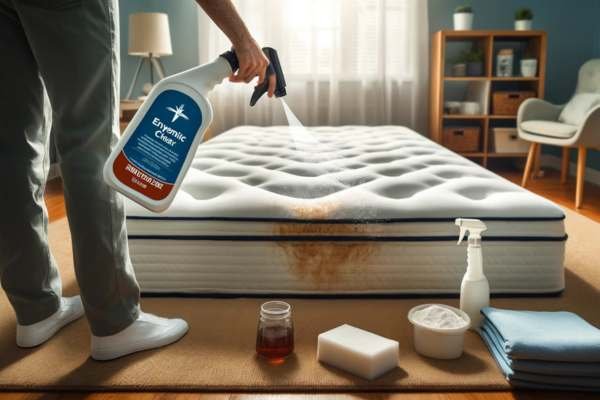
For stubborn stains or particularly odorous situations, an enzymatic cleaner is your secret weapon. These specialized solutions break down organic compounds like urine, eliminating odors at a molecular level. Follow the manufacturer’s instructions for application and let it sit for the recommended duration.
Sprinkle Baking Soda Again
After using the enzymatic cleaner, apply another generous layer of baking soda over the cleaned area. This step absorbs any remaining moisture and reinforces odor neutralization. For optimal results, leave the baking soda overnight to work its magic.
Wash With Water
Rinse the area by lightly blotting with a damp cloth soaked in clean water. This step ensures that no cleaning solution residues are left behind. Remember to avoid excessive water usage, as memory foam can trap liquid, prolonging drying times.
Check For Residual Odors Or Stains
Perform a final inspection once the area has been cleaned. Look for any lingering discoloration or odors. If necessary, repeat specific steps until the mattress is completely restored to its former state.
Let The Mattress Air Dry
Air drying is essential. Place the mattress in a well-ventilated area, preferably near an open window or with a fan directed at the treated section. Avoid using high heat sources, as they can damage the foam’s integrity. Be patient—thorough drying is non-negotiable.
Use A Waterproof Mattress Protector
Prevention is better than cure. Invest in a waterproof mattress protector to shield your mattress from future spills and accidents. These protectors form a barrier that prevents liquids from penetrating the foam, making cleanup easier and stress-free.
FAQs
What’s the Best Way to Clean a Memory Foam Mattress After Bedwetting?
The best way to clean a memory foam mattress is to act quickly. Start by blotting the affected area with a clean towel to absorb as much moisture as possible. Sprinkle baking soda to draw out remaining liquid and neutralize odors. Prepare a cleaning solution of equal parts vinegar and water, lightly spray it on the stain, and blot again. Use an enzymatic cleaner for stubborn stains, then sprinkle baking soda again before vacuuming it up and letting the mattress air dry.
Can You Remove Urine Stains from a Memory Foam Mattress?
Yes, you can remove urine stains. Use a vinegar-water solution to break down the stain, followed by blotting. For older stains, enzymatic cleaners are highly effective as they target proteins in the urine. Baking soda helps lift the stain and remove odors.
How Do You Deodorize a Memory Foam Mattress After an Accident?
To deodorize, sprinkle baking soda generously over the affected area and let it sit for several hours, preferably overnight. Vacuum it thoroughly. For persistent odors, use an enzymatic cleaner or repeat the baking soda application to neutralize any lingering smells.
Conclusion
Cleaning a memory foam mattress after bedwetting requires prompt action and the right approach to maintain its quality. Start by blotting excess moisture, applying baking soda for absorption, and using a vinegar-water solution to tackle stains. Enzymatic cleaners work effectively for deeper stains and odors, while air drying ensures a fresh, hygienic mattress. Always finish with a waterproof mattress protector to prevent future accidents. By following these steps, you can ensure your mattress stays clean, odor-free, and long-lasting. Proper care makes all the difference when learning how to clean memory foam mattress after bedwetting effectively.