
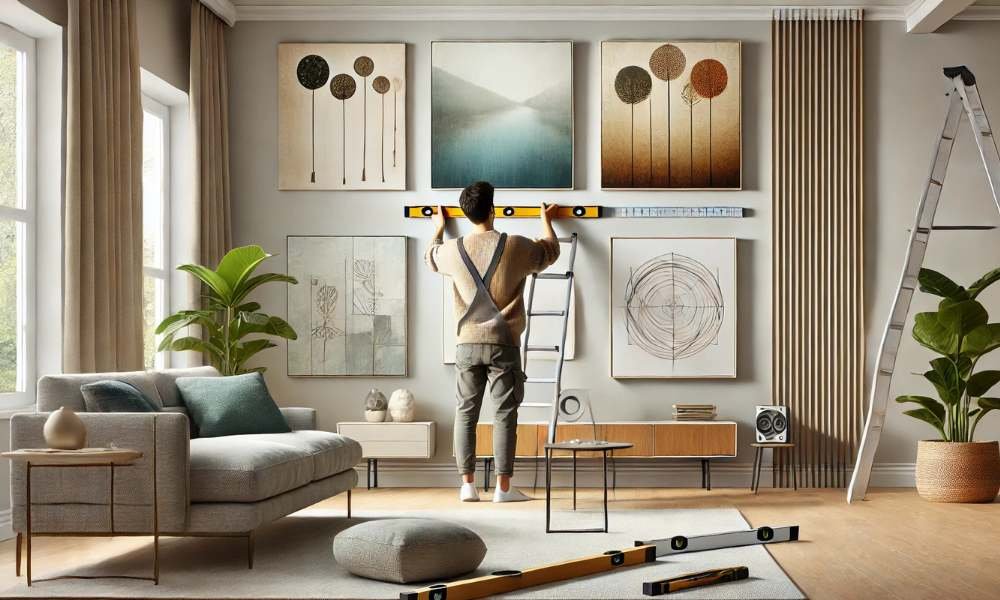
Hanging canvas art on your wall can transform any space, adding personality and style. Whether you’re decorating a living room, bedroom, or office, the right technique ensures your artwork is displayed perfectly. To hang canvas art on the wall, you’ll need basic tools like a tape measure, a pencil, picture hooks, and a level. First, measure and mark where you want the art to go, ensuring it’s centered. Use the appropriate hanging hardware based on the weight of the canvas. With these simple steps, you can easily showcase your favorite artwork while enhancing your room’s ambiance. Learning how to hang canvas art on the wall can elevate your home décor with ease and precision.
Understanding How To Hang Canvas Art On Wall
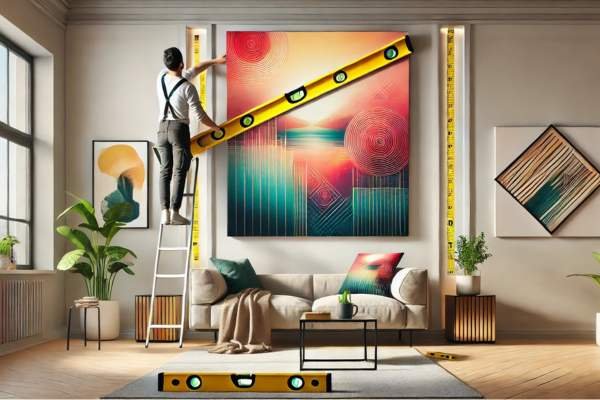
Before diving into the gear and hints of the change, it’s essential to understand the importance of correct hanging techniques. After all, the manner a chunk is placed can considerably have an effect on its visible effect and toughness. Improper placing can distort the integrity of the paintings, causing it to seem unbalanced, choppy, or out of location. It might sound like a small thing, but trust us—the little details make all the difference in how your canvas complements your room’s design.
Choosing The Right Canvas Art For Your Space

Art has the power to set the tone of a room—whether it’s a burst of color or a subtle, monochromatic piece. When choosing the right canvas, you’ll want to consider not only your personal taste but the emotional ambiance you want to create. For a serene bedroom, soothing landscapes or abstract pastels may be the right choice. Meanwhile, an ambitious, colourful piece would possibly fit the bill for a contemporary residing room or a gallery wall in your hallway. The goal is to make sure that your chosen artwork aligns with both your character and the atmosphere of your space.
Selecting The Right Size And Shape For Your Wall

Size matters. The scale of your canvas should never overpower—or underwhelm—your wall. A large piece can make a bold statement, but if the room is too small, it could create an unbalanced look. Conversely, a tiny canvases on a vast wall can seem like a mere afterthought. To strike the perfect balance, measure the available wall space carefully, and consider the surrounding furniture. A panoramic piece will enhance a long, narrow wall, while a series of smaller canvases can help fill out a bigger room without feeling congested. Experiment with different shapes and sizes until you achieve the visual harmony you’re aiming for.
Deciding On Framed Vs. Unframed Canvas Art

The decision between framed and unframed canvas art is as much about style as it is about function. Framed canvases often have a more traditional, polished aesthetic—perfect for formal settings or classical home interiors. An unframed piece, however, can add a touch of modernity and minimalism, perfect for clean lines and contemporary spaces. If you opt for the latter, ensure that the edges of the canvases are securely stretched. After all, an unfinished edge can detract from the overall look, no matter how stunning the piece is.
Matching Colors And Themes With Your Room

Art should be a conversation piece—but it should also blend seamlessly into the space it inhabits. When choosing your canvas, think about how the colors, themes, and textures will interact with your existing furniture and decor. A vibrant, colorful painting might become the focal point of a neutral-toned living room, while a softer, more muted piece could complement a room with intricate design elements. Pay attention to lighting as well—bright, natural light will bring out the vivid hues in your artwork, while dimmer, mood lighting might highlight the subtler tones.
Gathering The Essential Tools For Hanging Canvas Art
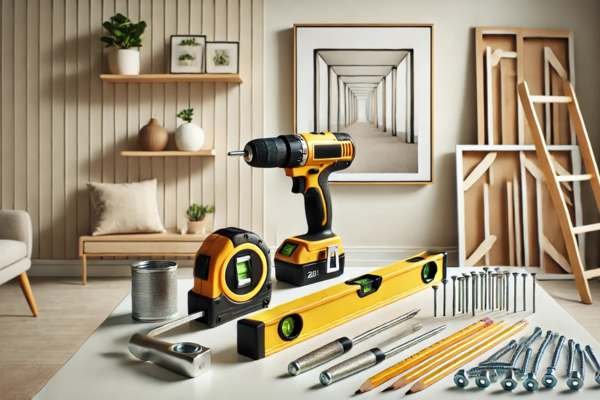
Now that you’ve chosen the perfect piece, it’s time to gather the right tools for hanging. To avoid unnecessary stress and mishaps, be sure to have the following items on hand:
- Measuring tape or ruler: Accuracy is key, especially when aligning multiple pieces.
- Picture hanging hardware: Hooks, nails, or a wire system—all designed for specific weight categories.
- Level: Without a level, your art could end up looking crooked and haphazard.
- Pencil: For marking exact spots on the wall.
- Drill and wall anchors: For heavier pieces or when you’re hanging on drywall.
With the right tools, you’ll be able to hang your canvas art like a pro, ensuring a flawless installation.
Preparing Your Canvas Art For Hanging
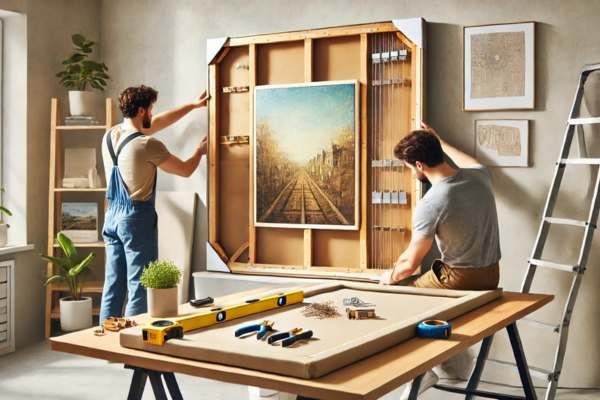
Before you start the actual hanging process, make sure your canvas is in tip-top condition. For framed pieces, check that the frame is free of any chips or loose fittings. For unframed choose wall art, ensure the canvases is tightly stretched and well-secured to the frame. If your piece uses a wire system on the back, give it a once-over to ensure it’s not worn or weak. Remember, a little prep now will save you a lot of trouble later.
Choosing The Ideal Spot For Your Canvas Art

Choosing the right spot for your hang canvas art on the wall is a delicate balancing act between visibility and subtlety. The general rule is to hang the artwork at eye level, typically 57-60 inches from the ground to the center of the canvases. That said, your room’s specific layout will guide the placement. Is there a piece of furniture underneath? A sofa, perhaps, or a bed? Ensure that your art doesn’t compete with the furniture but instead complements it. And, while it’s important for the piece to be visible, don’t let it dominate the room—find that sweet spot where the art enhances, rather than overwhelms.
Exploring Different Hanging Methods For Canvas Art
Depending on the weight and style of your canvas, different hanging methods can be employed. Here are a few of the most common:
- Wire and D-rings: Ideal for medium to lightweight canvases. This method is simple, reliable, and widely used.
- Sawtooth hangers: Perfect for smaller, lighter pieces that don’t require much support.
- Hanging rails: Best suited for larger pieces, hanging rails allow for easy adjustments without drilling multiple holes.
The method you choose should be tailored to your canvas’s size and weight—this will ensure the art stays securely in place.
Hanging Single Canvas Art Pieces
When hanging a single canvas, symmetry is your friend. Center it on the wall, and use a level to ensure that it’s perfectly straight. For larger pieces, you may want to anchor it with two points of attachment—this will add stability and ensure the art hangs securely. A simple rule of thumb is to position the center of the artwork 60 inches from the ground, aligning it with the average line of sight. This will guarantee that your piece is in perfect alignment with your room’s focal points.
Prepping The Wall Before Hanging
Before you start attaching anything, give the wall a quick clean. Dust and grime can affect the adhesive properties of your wall anchors, so make sure the area where the artwork will hang is smooth and dry. If you’re working with drywall, especially for heavier pieces, consider using wall anchors. These will help distribute the weight evenly, ensuring your canvas doesn’t fall unexpectedly.
Measuring And Aligning Your Canvas For Precision
Measure twice, hang once. If you’ve ever rushed through the measuring process, you know how frustrating it can be when things don’t line up. Take your time. Measure the distance from the top of your canvas to the hanging hardware, then mark the corresponding points on your wall. Using a level, double-check the alignment before you drill any holes. It might seem like a tedious step, but the end result will be worth the effort.
Common Mistakes To Avoid When Hanging Canvas Art
It’s easy to make simple mistakes when hanging canvas art. To avoid these pitfalls, keep these tips in mind:
- Hanging art too high or too low: Centering the artwork at eye level is crucial for visual appeal.
- Inadequate support for heavier pieces: Always use the correct hanging hardware for the weight of the canvases.
- Ignoring the surrounding space: Leave some breathing room around your canvas so that it doesn’t appear cramped or overshadowed by nearby furniture.
Creating A Gallery Wall With Multiple Canvas Art Pieces
Creating a gallery wall is an art in itself. Start by laying out your pieces on the floor, experimenting with various arrangements. Once you find the right layout, carefully measure and mark each spot on the wall. Hanging multiple pieces can be daunting, but when done right, it creates a stunning visual effect that adds depth and character to your room. Don’t shy away from mixing and matching different sizes, orientations, and styles for a dynamic, eye-catching arrangement.
Adjusting Canvas Art To The Lighting In Your Room
Lighting has a profound impact on how your artwork is perceived. To avoid unsightly glare, position your lights at an angle, ensuring that they illuminate the artwork without overwhelming it. Spotlights or adjustable lights work best to draw attention to the finer details of the piece. Soft, ambient lighting will create a more subdued, tranquil atmosphere—perfect for art that is meant to be soothing or contemplative.
Maintaining Your Canvas Art After Hanging
To keep your canvas art in top condition, regular maintenance is a must. Dust it lightly with a soft, dry cloth to remove any debris that might accumulate over time. Avoid placing it in direct sunlight, as UV rays can cause fading. If your piece is framed, be sure to clean the frame and glass regularly to maintain its clarity and shine.
Frequently Asked Questions
1. Can I Hang Canvas Art Without Drilling?
Absolutely! For lighter pieces, you can use adhesive hooks or picture hanging strips that don’t require drilling. These are first rate options for renters or the ones trying to avoid detrimental their partitions.
2. What’s the Best Way to Hang Heavy Canvas Art?
The best way to hang heavy canvases art is by using sturdy picture hooks or wall anchors, ensuring they can support the weight. Always mount them into wall studs for maximum stability.
Conclusion
Hanging canvas art on your wall can transform a space with minimal effort. Start by selecting the right location, ensuring it’s at eye level for the best visual impact. Use proper hanging hardware based on the weight of the art and the wall material, such as picture hangers for drywall or anchors for heavier pieces. Always measure carefully to maintain balance and alignment. With those steps, you could easily create an expert and polished show, bringing your walls to lifestyles. Learning how to hang canvas art on the wall is a simple yet effective way to enhance your home decor.