

A memory foam mattress is a popular bedding option known for its exceptional comfort and support. Designed with viscoelastic foam, it contours to your body shape, relieving pressure points and promoting better sleep. Originally developed by NASA, memory foam adapts to heat and weight, providing personalized support and reducing motion transfer. These mattresses are ideal for those seeking relief from back pain or joint discomfort, offering a luxurious sleep experience. Available in various firmness levels, they cater to different sleeping preferences. If you’re exploring “what is a memory foam mattress,” it’s a revolutionary sleep solution that combines innovation and comfort, ensuring restful nights and rejuvenated mornings. Perfect for all sleeping styles, it’s a game-changer in sleep technology.
Understanding Memory Foam Material
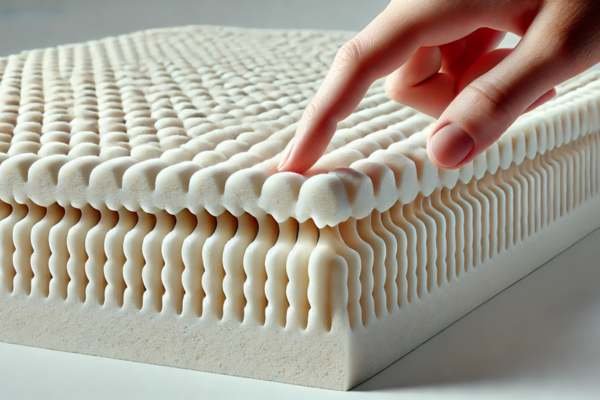
Crafted from the alchemy of viscoelastic polyurethane, memory foam emerged as a solution for the rigorous demands of space exploration. This cloth, engineered in NASA’s labs at some point of the Seventies, boasts a unique dual nature: both viscous and elastic. Its uncanny capacity to melt beneath warmth and conform to pressure has made it a cornerstone in sleep generation. The foam cradles the body, responding to every curve and contour while calmly dispensing weight, making it a sanctuary for the ones in search of reprieve from restless nights and aching joints.
Understanding Memory Foam Mattress Thickness
Thickness is more than a number; it is the architecture of comfort. Memory foam mattresses come in varying depths, typically ranging from 6 to over 14 inches, with each layer serving a specific purpose. A robust base layer ensures stability, while a middle transition layer balances support and comfort. The crown jewel, the top memory foam layer, delivers that signature contouring effect. Thicker mattresses often offer unparalleled support for heavier individuals or those craving a cloud-like feel, while thinner options cater to minimalists and budget-conscious sleepers.
Different Types Of Memory Foam
Not all memory foam is created equal. Over decades, innovation has yielded several distinct variants:
- Traditional Memory Foam: Known for its supreme contouring, it cradles the body but can sometimes retain heat.
- Gel-Infused Memory Foam: Enhanced with cooling gel beads, it combats the notorious “hot sleeper” dilemma.
- Plant-Based Memory Foaming: A greener alternative that incorporates natural elements for better breathability.
- Open-Cell Memory Foam: Engineered with a porous structure, it excels in dissipating heat and ensuring airflow.
Each type caters to unique sleep needs, offering solutions to common issues like overheating, environmental impact, and pressure sensitivity.
Benefits Of Memory Foam Mattresses
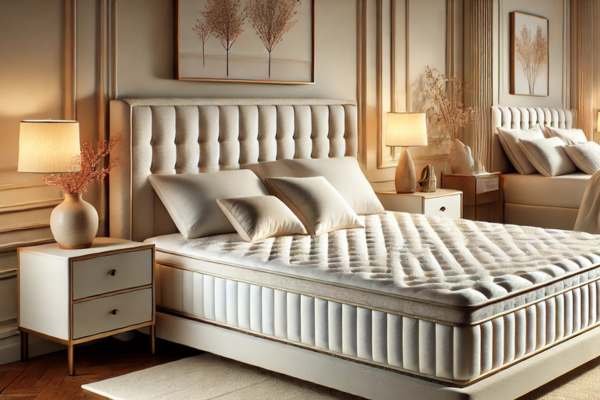
The advantages of clean memory foam mattress are manifold. By responding to heat and stress, they invent a customized sleep surface that alleviates strain factors and decreases the probability of tossing and turning. Their motion isolation residences are a godsend for couples, making sure uninterrupted sleep despite a restless accomplice. Furthermore, those mattresses are inherently hypoallergenic, offering a haven for allergy sufferers by way of resisting dust mites and other allergens.
How Memory Foam Mattresses Work
The science of memory foam is deceptively simple yet profoundly effective. As body heat interacts with the material, the foam softens and molds to your shape, cradling your body in a cocoon of support. Upon rising, it regularly reclaims its original form, a testomony to its resilience. This dynamic interplay guarantees most effective assist and pressure relief, aligning the spine and soothing touchy regions, making it best for people with persistent pain or discomfort.
Memory Foam Density And Its Importance
Density isn’t merely a measure of weight; it’s a defining characteristic of quality and performance. Measured in pounds per cubic foot, density influences durability, support, and overall comfort. High-density foam gives unequalled durability and less assailable aid, while medium and occasional-density alternatives cater to folks who prioritize plushness or affordability. Understanding density is critical for making an informed investment to your sleep.
The Benefits Of Sleeping On A Memory Foam Mattress
Imagine a bed that remembers you—your shape, your preferences, and your needs. That’s the essence of sleeping on a memory foam mattress. Beyond its signature pressure-relieving properties, it promotes healthy circulation, minimizes joint pain, and provides consistent support. Its motion isolation ensures you remain undisturbed, no matter how much your partner moves. For allergy-prone individuals, the hypoallergenic nature of memory foam creates a clean, allergen-free sanctuary.
Common Misconceptions About Memory Foam Mattresses
Despite its popularity, memory foam is often shrouded in myths. The most common? That it’s unbearably hot. While early iterations may have retained heat, advancements like gel-infused and open-cell technology have rendered this concern obsolete. Another myth is that memory foam lacks firmness, yet modern designs cater to a range of preferences, from ultra-plush to extra-firm. These misconceptions often overshadow its true potential, leaving many hesitant to embrace its benefits.
How To Choose The Right Memory Foam Mattress

Choosing a memory foam mattress requires a balance of science and intuition. Consider your sleeping position—side sleepers may prefer softer options, while back and stomach sleepers benefit from firmer surfaces. Temperature-sensitive individuals should look for cooling technologies, and those with chronic pain might prioritize high-density foaming for added support. With countless options available, aligning your preferences with the mattress’s specifications is key.
Comparing Memory Foam To Other Mattress Types
In a market flooded with options, memory foam stands out for its unique properties. Unlike innerspring mattresses, which rely on coils for support, memory foam provides a uniform surface that contours to the body. Latex mattresses, while durable and eco-friendly, lack the signature “hug” of memory foaming. Hybrid mattresses offer a blend of materials but often fail to deliver the same level of personalized support and motion isolation.
How To Care For A Memory Foam Mattress
A memory foam mattress is an investment, and like all investments, it requires care. Use a mattress protector to shield against spills and stains, and vacuum it periodically to remove dust and debris. Avoid exposing it to direct sunlight or high heat, which can degrade the material. Rotating the mattress periodically can also prevent uneven wear and prolong its lifespan.
Do Memory Foam Mattresses Have Any Downsides?
No product is perfect, and memory foam is no exception. Some models may retain heat, though this issue is mitigated by modern cooling technologies. Additionally, high-quality memory foaming mattresses can carry a premium price tag, but their durability and comfort often justify the cost. For some, the initial smell of off-gassing may be off-putting, but it typically dissipates within a few days.
FAQs
What Is a Memory Foam Mattress?
A memory foam mattress is made from viscoelastic foam that contours to your body shape, providing personalized comfort and support. It adapts to your weight and heat, offering a cradling effect that reduces pressure points and improves spinal alignment.
How Does a Memory Foam Mattress Work?
Memory foam responds to body heat and pressure, softening where needed to mold around your body. When you get up, it slowly returns to its original shape. This unique property ensures optimal support and minimizes motion transfer for undisturbed sleep.
What Are the Benefits of Memory Foam Mattresses?
Memory foaming mattresses relieve strain points, lessen returned pain, and decorate sleep pleasant. They are hypoallergenic, durable, and appropriate for diverse sleep positions. Additionally, they isolate motion, making them an extremely good choice for couples. Their adaptability and luxury lead them to a top pick for restful nights.
Conclusion
A memory foam mattress is a game-changer for comfort and support, adapting to your body’s unique shape to ensure restful sleep. Its pressure-relieving properties make it ideal for those seeking relief from joint or back pain. Designed with advanced materials, memory foam reduces motion transfer, ensuring undisturbed sleep for couples. Whether you’re upgrading your bedroom or prioritizing wellness, understanding what is a memory foam mattress helps make an informed choice. Embrace the perfect blend of innovation and comfort to enhance your sleep quality and wake up refreshed. Choose wisely, because better sleep starts with the right mattress.