
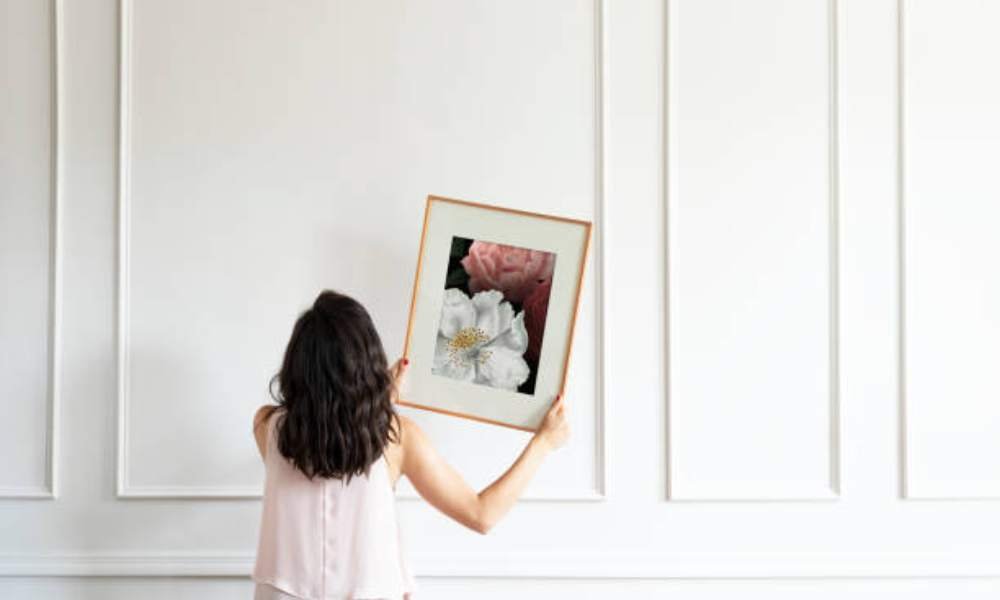
Finding the suitable spot to grasp art on your wall may be a game-changer for your home’s aesthetic. Whether you are working with a small area or a big, open region, knowing where to hang art is crucial for creating a balanced and visually appealing atmosphere. When deciding on the appropriate placement, recall factors like room size, furniture association, and the artwork’s size and subject. By thoughtfully selecting where to hang art on the wall, you can transform any room into a gallery of personal style and expression. Let us manual you via the fine strategies and guidelines for striking artwork that enhances your space and complements your own home’s decor.
Understanding Different Types Of Walls
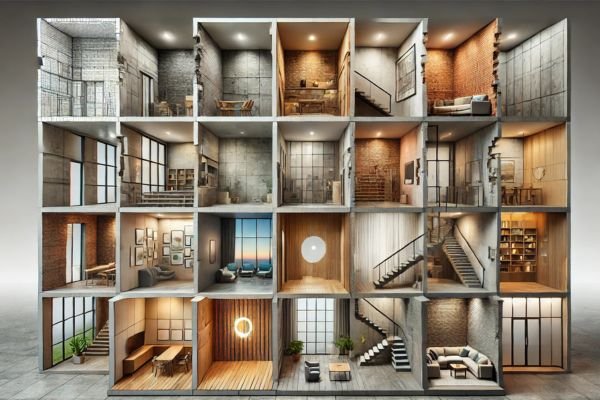
Before diving into the artwork of placement, it’s imperative to recollect the nature of the wall itself. Walls are available in a myriad of substances, each with its personal set of demanding situations. Drywall, for instance, is a dream to work with—its soft surface allows for quick installation of nails or picture hooks. But the story changes when confronted with brick walls. Here, specialized anchors or drilling are often required to secure your artwork. Beyond material, texture plays a crucial role. Smooth, sleek walls make hanging artsy a breeze, while uneven, textured surfaces demand extra attention and preparation. The extra you apprehend the particular traits of your wall, the higher you could tailor your putting approach to keep both the integrity of your artwork and the surface itself.
Choosing The Right Art For Your Wall
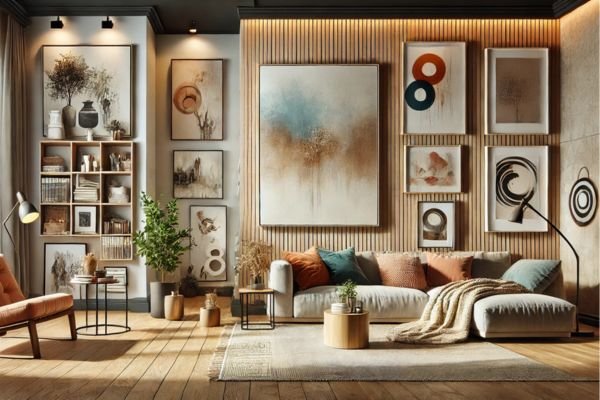
The right artwork does more than simply fit the space—it defines the mood, establishes a style, and binds the room together. Choosing the right piece of art is akin to selecting the perfect accessory for an outfit; it must complement both the space and the other design elements. Begin by means of assessing the dimensions of the room. Expansive walls cry out for bold, oversized artsy that fills the space and commands attention, while smaller, intimate pieces add a personal touch to cozy corners. Art should also harmonize with the color palette and overall aesthetic of the room. Whether your fashion is modern-day, minimalist, or bohemian, your artsy needs to mirror and beautify the tone you’ve set up, growing an unbroken visible drift.
Considering The Room’s Function
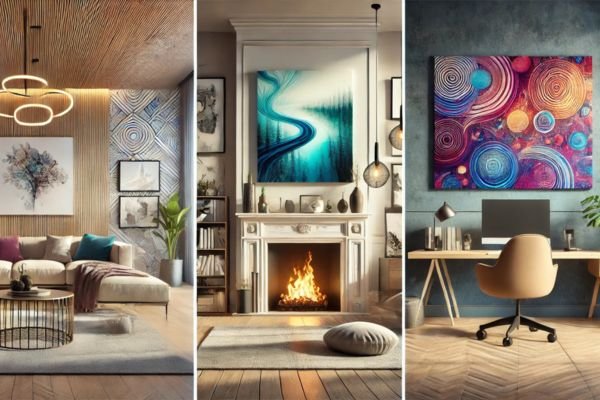
The purpose of the room should heavily influence your art placement decisions. The living room or dining area, for example, benefits from a statement piece that anchors the space—perhaps hanging above the sofa or fireplace, creating a visual focal point. In a bedroom, however, the art should serve a more tranquil function, promoting relaxation with serene landscapes or abstract works that evoke calm. A home office is an entirely different scenario. Artsy here should inspire creativity and focus, motivating you with energizing imagery or vibrant colors. Recognize the atmosphere you wish to foster in each room and let that guide your choices.
Determining The Right Height For Art
It is all too common to err when determining the optimal height at which to hang artsy. Whether too high or too low, misplaced art can disrupt the balance of a room. As a general rule, artwork should be placed at eye level—typically around 57 to 60 inches from the floor. However, this can vary based on the size of the piece and the height of surrounding furniture. When hanging art above a sofa or console, aim to leave about 6 to 8 inches between the bottom of the frame and the top of the furniture. This height creates a grounded, proportional look, ensuring that the artsy feels integrated into the space.
Creating A Gallery Wall
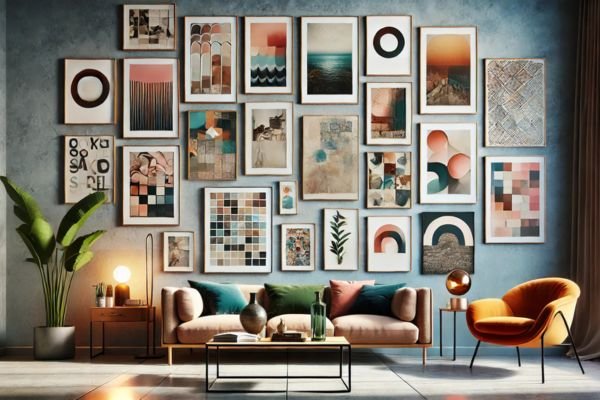
A gallery wall offers a dynamic way to display multiple pieces, providing an engaging visual experience. It is particularly effective in larger spaces or rooms where a single piece might feel lost. The key to a successful gallery hang art on the wall lies in the spacing between each piece—aim for a consistent distance, usually 2 to 4 inches, to maintain harmony. Arrange the pieces in a cohesive pattern, whether symmetrical or more organic. The center of the display should always align with eye level, ensuring that the viewer’s gaze is naturally drawn to the middle of the arrangement for maximum impact.
Hanging Art Over Large Furniture Pieces
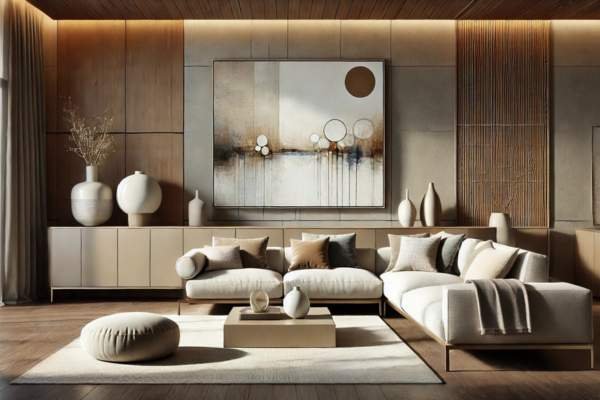
Placing art over large furniture pieces like sofas or sideboards can elevate the entire room. However, it’s important that the artwork doesn’t overpower the furniture; instead, it should complement and balance the space. A useful guideline is to choose a piece that is about two-thirds the width of the furniture beneath it. The height of the artwork is just as crucial—hanging it too high can create an awkward disconnect between the furniture and the artsy. Ideally, the bottom of the artwork should be about 6 to 8 inches above the furniture, creating a sense of unity between the two elements.
Art Placement In Small Spaces
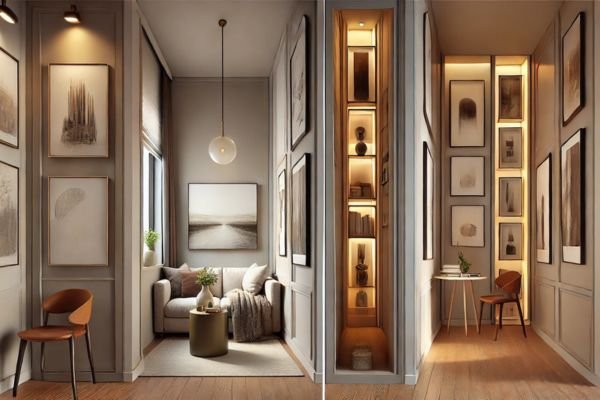
In smaller rooms, wall art can serve as a bold statement, filling the space without compromising valuable floor area. A single, striking piece can create the illusion of openness, while a collection of smaller works arranged thoughtfully can add visual depth and intrigue. In tight spaces, such as hallways or narrow corridors, opt for vertical arrangements that draw the eye upward, enhancing the sense of height in the room. Avoid overwhelming these compact areas with too many pieces; instead, focus on creating a simple yet impactful visual rhythm.
Using Art To Accentuate Focal Points

Strategic art placement can transform a room, guiding the viewer’s attention to its most important features. If your home boasts a grand fireplace, a large, commanding piece of artsy above it can emphasize the hearth as the room’s focal point. Similarly, art can highlight architectural features like built-in shelves or expansive windows, drawing the eye to these unique elements. When artsy is used thoughtfully in this way, it enhances the room’s overall aesthetic, creating a harmonious flow and reinforcing the room’s intended focal points.
Using Wall Art In Outdoor Spaces
Outdoor spaces deserve as much attention as indoor ones when it comes to art. Weather-resistant materials such as metal, acrylic, or ceramic make for excellent choices in outdoor settings. Whether hanging a piece on the exterior hang art on the wall of your home, your patio, or a garden fence, the addition of artsy can elevate the space, adding character and charm to otherwise utilitarian areas. Thoughtfully chosen outdoor artsy transforms a simple yard or balcony into an inviting and stylish extension of your home.
Complementing Wall Art with Lighting
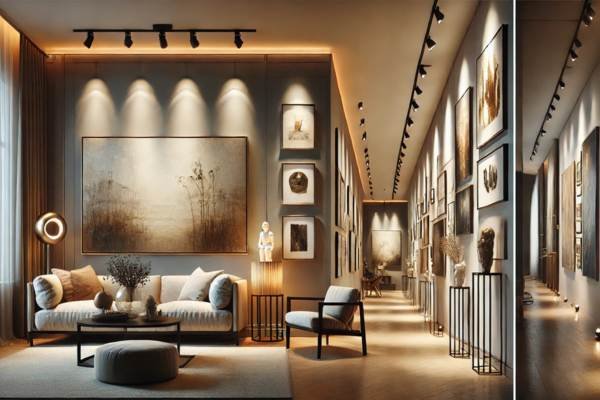
The right lighting is indispensable for showcasing your hang art on the wall art at its best. Proper illumination highlights the intricacies and colors of your artwork while avoiding harsh shadows or glares. Use directed light, such as picture lights or track lighting, to illuminate the artwork without overwhelming it. For canvas paintings, softer, diffused light works best, while sculptures or framed photography benefit from more direct lighting. The interplay of light and artsy not only enhances the visual impact but also sets the tone and mood of the room.
The Importance Of Lighting For Wall Art
Lighting is not just an accessory; it is a fundamental element that can make or break the effect of your art. Without proper lighting, even the most exquisite pieces can seem dull and unremarkable. The purpose is to maintain constant lights that highlights the art work’s texture, shade, and info. Pay attention to the angle and intensity of the mild to keep away from choppy brightness or shadows, ensuring that the artsy is visible in its maximum flattering light.
Using Art To Add Color And Texture
Art is an effective device for introducing color and texture into a room’s layout. A colourful painting or image can set the tone for the whole room, influencing the choice of other elements like furniture, rugs, or accessories. Textural factors, along with woven tapestries or impasto oil art work, add a tactile measurement for your partitions, enriching the overall aesthetic. Combining colour and texture to your paintings creates a layered, dynamic surroundings, enhancing the sensory enchantment of the gap.
How To Choose Art That Adds Depth To A Room
To create a sense of spatial depth in a room, select artwork that invites the eye to travel into the composition. Large landscapes, abstract pieces with perspective, or works that incorporate light and shadow can all add an illusion of depth, making the room feel more expansive. Choose artwork with varying tones, textures, and layers to beautify this impact, growing a multidimensional surroundings that feels both rich and inviting.
Using Textured Art Pieces For An Elevated Look
Textured art pieces—those created with mixed media or relief techniques—can elevate a space with sophistication and depth.These works engage with light, casting shadows and highlighting their tactile characteristics, creating a visible revel in this is ever-changing. Placed strategically, textured pieces offer a dynamic sensory experience, adding an air of elegance and complexity to any room.
Mixing Wall Art with Other Wall Decor
To create an absolutely customized and eclectic hang art on the wall, consider combining your artwork with different ornamental factors, along with mirrors, clocks, or shelves. This mix of textures, shapes, and sizes can add visual intrigue and create a greater dynamic area. For instance, a replicate positioned alongside a portray can mirror light and add a feel of openness, at the same time as a shelf with small ornamental items can decorate the overall look. Mixing artwork with other wall decor encourages creativity, turning your choose wall art right into a reflection of your style.
Frequently Asked Questions
1. Can I hang art on textured or uneven walls?
Absolutely. Hanging art on textured or uneven walls is possible, though it may require specialized hardware, like toggle bolts or wall anchors. Make sure the art is well-secured to prevent damage to both the artwork and the wall.
2. Best Spots to Hang Art on Your Walls?
The ideal spots to showcase your art include above furniture such as sofas and sideboards, as well as the central, most prominent wall in a room. Hallways and entryways also provide excellent opportunities for artsy placement.
3. Ideal Wall Locations for Hanging Artwork?
Consider the layout and purpose of the room when selecting the best wall for your art. As a general guideline, placing artsy at eye level on a central wall offers a balanced, visually appealing result.
Final Thoughts
When deciding where to hang art on the wall, consider the room’s layout, furniture placement, and the size of the artwork. Ideally, artwork should be hung at eye level, approximately 57-60 inches from the floor. In larger rooms, group smaller pieces together to create balance, while in more compact spaces, opt for a single statement piece. Remember to leave enough space between furniture and the artwork to maintain a harmonious flow. By thoughtfully considering these factors, you can transform any room with artsy that enhances the space’s style and ambiance.